Service No : IC-57583M

Date of Birth : May, 1975

Place of birth : Kolkata (WB)

Service : Army

Last Rank : Captain

Unit : 4/8 GR/AOC

Arm/Regt : Army Ordnance Corps

Operation : CI & IS Ops

Martyrdom : January 12, 2000

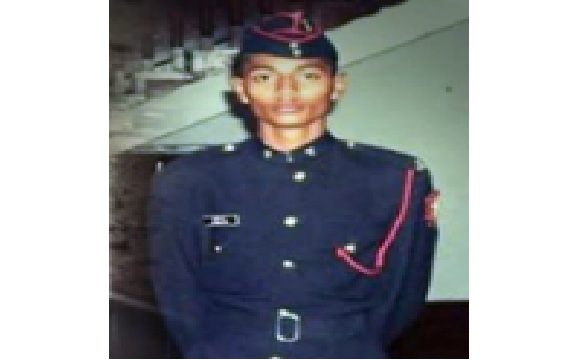
Captain Saptarshi Dhar

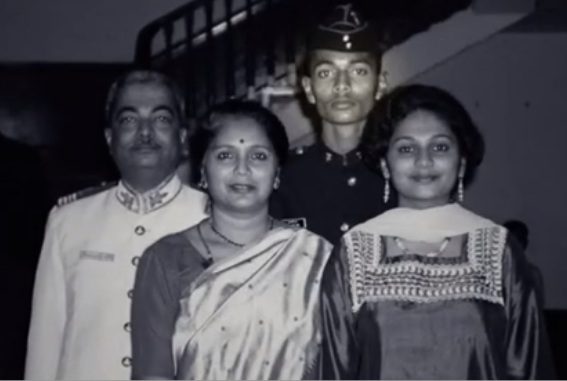
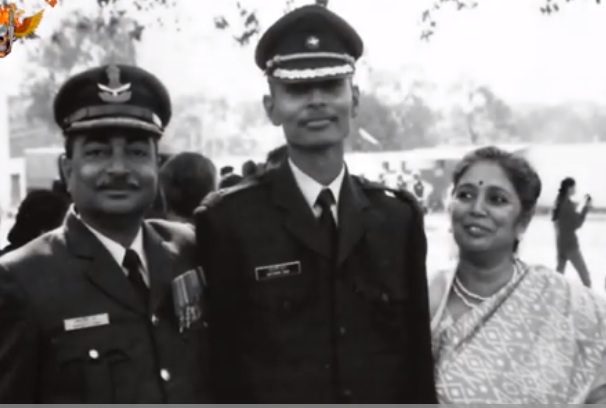
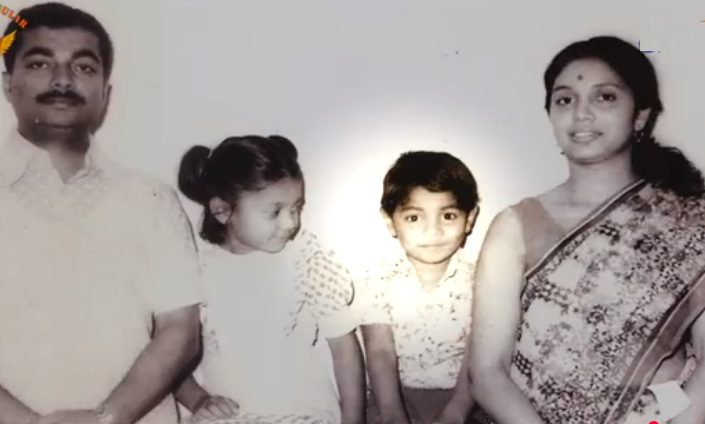
Captain Saptarshi Dhar hailed from Kolkata in West Bengal and was born in May 1975. He was born into a distinguished family with a strong military tradition, which played a significant role in shaping his character and aspirations. A fourth-generation officer, he carried forward a legacy of valour: his father, Group Captain Samarjit Dhar, retired as Chief Engineering Officer at Air Force Academy, Hyderabad; his maternal grandfather and uncle, both Colonels of the Army Ordnance Corps; his great-grandfather, an Army Medical Corps doctor. Growing up in such an environment, where service, discipline, and sacrifice were deeply valued, he naturally imbibed these ideals from an early age. This familial influence instilled in him a strong sense of patriotism and a desire to don the uniform, ultimately guiding him towards a career in the armed forces. He joined the prestigious National Defence Academy as part of the 91st Course (Bravo Squadron) and later proceeded to the Indian Military Academy as part of the 101 Regular Course. During his training, he stood out not just for his physical endurance and discipline, but also for his distinctive personality and outlook on life.


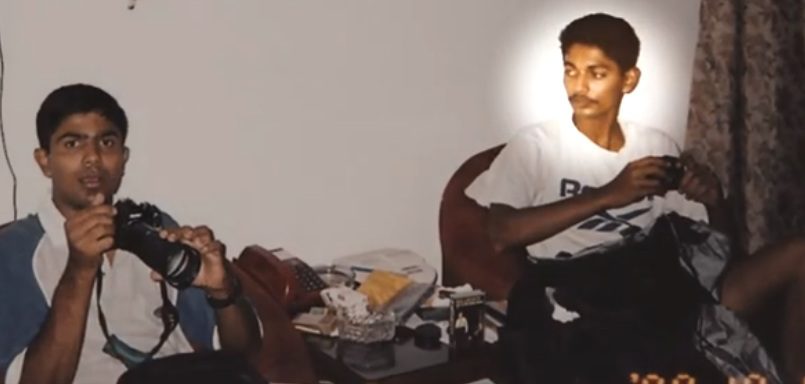
Among his friends and colleagues, Captain Saptarshi Dhar—fondly known as “Dhar” or “Tojo”—was remembered as a lively, spirited, and engaging individual. He possessed a sharp wit and an infectious sense of humour that kept those around him constantly entertained. His presence brought energy and positivity, often lifting the morale of his peers even in demanding situations. Yet, beneath this cheerful and easy-going exterior lay a deeply thoughtful and philosophical mind. He had the rare ability to balance mischief with maturity, humour with introspection, and light-heartedness with responsibility. This unique combination made him not only approachable but also deeply respected by his peers and superiors alike. During his academy days, he developed a distinctive approach towards the rigours of military life. Whether it was intense drills, physically demanding routines, or even punishments, he accepted everything with enthusiasm and a sense of humour. In every sense, Captain Saptarshi Dhar’s early life and formative years laid the foundation for the officer he would become—spirited yet grounded, cheerful yet resolute, and above all, deeply committed to the ideals of service and duty.


On 6 December 1997, he was commissioned as an officer into the Corps of Ordnance. As part of his professional development, he underwent a mandatory infantry attachment with 4/8 Gorkha Rifles of the 8 Gorkha Rifles—a regiment renowned for its fearless soldiers and distinguished combat record. This attachment placed him in a demanding operational environment, where he gained firsthand experience of field conditions and combat realities. It was during this phase that he participated in operations connected with the Kargil War (Operation Vijay) in August 1999. The intensity of the conflict and the loss of comrades had a profound impact on him. The once jovial young officer was deeply affected, carrying within him the grief of losing friends and fellow soldiers in the line of duty. After a brief period of rest, Captain Dhar returned to active service with renewed determination. His unit had by then moved to one of the forward-most locations in the Kashmir Valley—an area characterised by harsh terrain, extreme weather, and constant operational challenges.


Gurez Sector Operation (J&K): 12 Jan 2000


During 1999, Captain Saptarshi Dhar was serving with 4/8 Gorkha Rifles, a battalion of the 8 Gorkha Rifles, which was deployed in the Gurez sector of Jammu and Kashmir. Situated in the remote reaches of Bandipora district, approximately 125 km from Srinagar, the Gurez Valley is a strategically significant yet inhospitable region along the Line of Control (LoC). The sector was heavily militarised, with troops occupying isolated mountaintop posts to maintain constant surveillance and prevent infiltration from across the border. In addition to manning these forward positions under extreme weather conditions, the unit was actively engaged in counter-infiltration and counterinsurgency operations. Soldiers regularly undertook long-range armed patrols across treacherous terrain to monitor gaps between posts and dominate the area. Life in these forward locations was marked by harsh realities—sub-zero temperatures, deep snow, rugged terrain, and the ever-present threat of enemy action. Despite these challenges, Captain Dhar and his comrades carried out their duties with unwavering commitment and professionalism.


During this period, the Gurez sector in Jammu and Kashmir remained highly volatile, frequently witnessing ceasefire violations by Pakistani forces. Such firing was often intended to provide cover for infiltration attempts across the Line of Control. However, amidst these constant operational challenges, fate dealt a far more tragic blow—not from the enemy, but from the unforgiving forces of nature. On 12 January 2000, while part of a de-induction party in the high-altitude terrain of Gurez, Captain Saptarshi Dhar and his men were caught in a sudden and devastating avalanche. The sheer force of the cascading snow swept them away, burying them under massive layers of ice and debris. The extreme weather conditions and treacherous terrain made rescue operations extraordinarily difficult. Despite sustained and determined search efforts, his mortal remains could only be recovered nearly six months later, on 1 July 2000. Captain Saptarshi Dhar was a committed and resolute officer who consistently led from the front, remaining steadfast in the face of both operational threats and the harsh realities of nature. He made the supreme sacrifice at the young age of 24 years, leaving behind a legacy defined by courage, dedication, and quiet heroism. Alongside him, five other brave soldiers also laid down their lives in the same tragic incident, exemplifying the indomitable spirit of their regiment: Havildar Thankar Bahadur Mall, Naik Tirtha Raj Gurung, Rifleman Bhakta Bahadur Thapa, Rifleman Purna Bahadur Gurung, Rifleman Dhol Bahadur Gurung. Their collective sacrifice stands as a solemn reminder of the dangers faced by soldiers—not only from the enemy, but also from the harsh and unpredictable environments in which they serve.


A poignant irony: Promoted to Captain in the field, news never reached him before fate intervened. His National War Memorial plaque – Wall 3C, Row 9, Column 1548 (18) – reads “Lt Saptarshi Dhar,” while his coffin came home bearing “Capt Saptarshi Dhar.”


Captain Saptarshi Dhar is survived by his father, Gp Capt Samarjit Dhar (Retd), mother, Smt  Aditi Dhar, and sister, Ms Sujyota Dhar Gosh.
  • If you find any information that is incorrect or inappropriate or have additional information about the soldier that can be added to his memorial site, please contact us by using the tab given below.
No Comments

Post a Comment