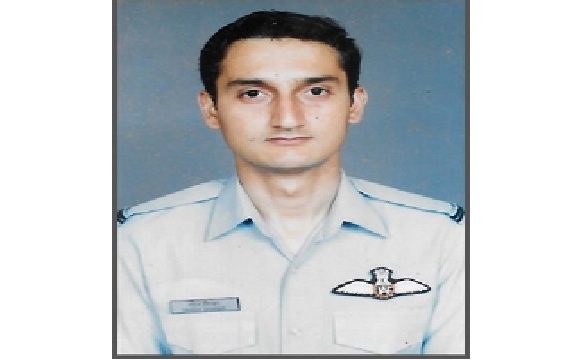
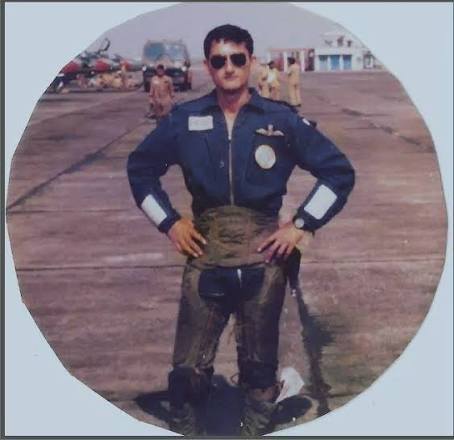
In Aug 1999, Flight Lieutenant Gaurav Chibber was serving with No. 223 Squadron of the Indian Air Force. Raised on 10 May 1982 at Adampur, the squadron was first in the IAF to be equipped with the MiG-23 MF aircraft, earning the nickname “Swing Wing Interceptors” in recognition of this capability. The squadron also achieved the rare distinction of operating from Leh, one of the highest airfields in the world. Its motto, “Vijayastra Amoghastra” (Weapon of Victory), reflects its combat ethos, and Wing Commander Inder Jit Singh Boparai served as its first 'commanding officer'. With the phasing out of the MiG-23 beginning in 1989, the squadron transitioned to the MiG-29 in the early 1990s. Following this transition, it adopted the new nickname “Tridents,” symbolizing strength and precision, inspired by the trident of Lord Shiva. After the decommissioning of No. 51 Squadron, No. 223 Squadron was relocated to Srinagar, where it continues to play a vital role in air defence operations. Flight Lieutenant Chibber was posted to No. 223 Squadron on 1st June 1998. At that time, the squadron was operating MiG-29 aircraft and was under the command of Wing Commander Sandip Sud.
Prior to this, he had already established himself as a competent and fully operational pilot on the Jaguar aircraft, gaining valuable experience and qualifications in Photo Reconnaissance and Electronic Warfare. His transition from a strike role to an air defence role, and his rapid adaptation to flying the MiG-29—a technologically advanced Russian-origin fighter aircraft—highlighted his exceptional versatility, skill, and commitment. During the Kargil War, as part of 'Operation Safed Sagar', Flight Lieutenant Chibber’s squadron, under the command of Wing Commander Peeyush Kumar Singh, performed with distinction. In the course of these operations, he emerged as one of the youngest MiG-29 pilots to actively participate in combat missions, demonstrating commendable skill and professionalism. Despite having limited experience on the aircraft, with approximately 100 hours of flying on type, he displayed remarkable courage and professionalism by successfully carrying out 29 operational missions. These included Area Combat Air Patrols (CAP), escort duties for strike aircraft, and Close Radar Control (CRC) missions, conducted both during the day and at night under demanding and high-risk conditions. He frequently led mission formations, demonstrating leadership and tactical acumen beyond his years. His role was critical in ensuring that strike aircraft could execute their missions without interference from enemy fighters. In one notable instance, he effectively utilized the MiG-29’s radar systems to detect and track two enemy F-16 aircraft. By countering this potential threat, he ensured the safety of the strike package, allowing it to proceed unhindered and successfully engage its targets. Beyond his operational achievements, Flight Lieutenant Chibber was admired for his strong rapport with airmen. His approachable and friendly demeanour fostered a sense of camaraderie and high morale within the squadron, especially during the intense pressures of wartime operations. In recognition of his exemplary service, unwavering dedication, and contributions beyond the call of duty, he was awarded the Vayu Sena Medal.
On 6 August 1999, Flight Lieutenant Gaurav Chibber was assigned a training mission—an opportunity to practice tactical manoeuvres under challenging night-flying conditions. He took off from his parent base, piloting his Mikoyan-Gurevich MiG-29, as planned. However, shortly after takeoff, the aircraft suffered a serious technical malfunction, plunging him into a critical in-flight emergency. Faced with a life-threatening situation, Flt Lt Chibber displayed extraordinary presence of mind, courage, and selflessness. Though he could have ejected immediately to save himself, he reportedly attempted to steer the failing aircraft away from a nearby residential village, striving to prevent civilian casualties and damage on the ground. Despite his best efforts, the aircraft ultimately crashed approximately 8 km from Naina Devi, Bilaspur District, Himachal Pradesh. The entire sequence unfolded within seconds—a stark reminder of the split-second decisions that fighter pilots often confront. Tragically, Flight Lieutenant Chibber did not survive the crash, making the ultimate sacrifice in the line of duty. At only 27 years of age, he laid down his life upholding the highest traditions of the Indian Air Force. Flight Lieutenant Gaurav Chibber was not only a skilled and accomplished pilot but also a gallant officer and a true air warrior who embodied the principle of “Service Before Self” until his very last breath.

No Comments