Operation Vijay (Kargil War) : 13 May 1999
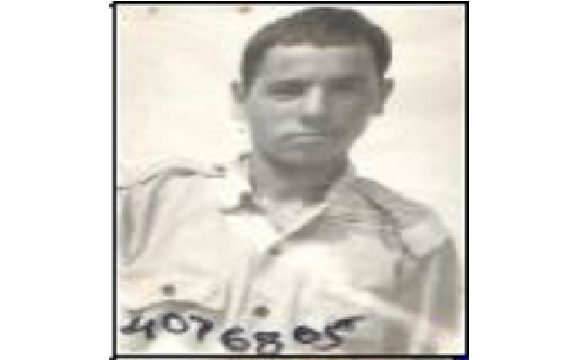

Service No : 4076805K
Place of birth : Tehri Garh(U'Khand)
Service : Army
Last Rank : Rifleman
Unit : 10 Garh Rif
Arm/Regt : The Garhwal Rifles
Operation : Op Vijay ( Kargil )
Martyrdom : May 13, 1999
Rifleman Dilwar Singh’s unit, the 10th Battalion of the Garhwal Rifles Regiment, was deployed in the Drass sector of Jammu & Kashmir during the tense and critical period preceding the 1999 Kargil conflict. The battalion was responsible for manning forward posts along the Line of Control (LoC), an area known for its steep mountainous terrain, sub-zero temperatures, and constant operational challenges. The sector was highly volatile, with frequent and unpredictable ceasefire violations. At the time, the battalion was operating under 121 Infantry Brigade, with overall operational control exercised by 8 Mountain Division. In early 1999, despite the diplomatic outreach reflected in the Lahore Declaration between India and Pakistan, hostile elements of the Pakistan Army secretly infiltrated across the LoC and occupied several Indian forward positions that had been temporarily vacated during the peak winter months due to extreme weather conditions. These intrusions began to come to light on 3 May 1999, triggering immediate concern and a rapid operational response from Indian forces deployed in the region. Given the sensitivity of the Drass sector and its vulnerability to infiltration, units on the ground intensified surveillance and stepped up aggressive patrolling across their Areas of Responsibility. Reconnaissance patrols were routinely dispatched to verify reports of enemy presence, study ground conditions, and assess whether snow clearance permitted the safe reoccupation of seasonal forward posts.
On 13 May 1999, Rifleman Dilwar Singh was part of one such patrol assigned in the Drass sector. The patrol’s mission was to check for signs of intrusion and confirm whether the snow had receded sufficiently to enable Indian troops to reoccupy their summer positions. While carrying out this task in extremely difficult high-altitude terrain, the patrol was suddenly engaged by heavy and accurate fire from well-entrenched enemy troops holding dominating heights. The contact revealed that infiltrators had already established strong positions in the area. Despite the surprise and the tactical disadvantage, Rifleman Dilwar Singh and his fellow soldiers reacted with composure and courage. They quickly took cover and returned fire, engaging the enemy in a fierce gun battle under hazardous conditions. During the intense exchange, Rifleman Dilwar Singh, along with Naik Bijendra Singh, Naik Dharam Singh, and Naik Subab Singh, sustained critical gunshot wounds. Showing unwavering resolve and devotion to duty, they continued to resist the enemy, but later succumbed to their injuries. Rifleman Dilwar Singh supreme sacrifice stands as a testament to the finest traditions of the Indian Army and the Garhwal Rifles Regiment.
Rifleman Dilwar Singh is survived by his mother Smt Ramdey Devi.
No Comments