Sepoy Janardhan Wagh hailed from Pangari village in Chikhli Tehsil of Buldhana district in Maharashtra. He was born to Shri Maljiba Wagh and Smt. Kalawatibai and had two siblings—a brother, Dagduba Wagh, and a sister, Jankabai. Raised in a rural agrarian environment, he grew up amid simplicity, hard work, and deeply rooted traditional values. The close-knit nature of village life instilled in him a strong sense of responsibility, humility, and perseverance from an early age. He completed his primary education in his native village, where he was known for his sincerity and dedication. Inspired by a strong desire to serve the nation and bring honour to his family, he decided to pursue a career in the armed forces. After completing his initial schooling, he was recruited into the 20th Battalion of the Maratha Light Infantry, a regiment renowned for its distinguished combat record, rich traditions, and unwavering service to the nation. His induction into this illustrious battalion marked the beginning of a demanding yet honourable military journey. His first posting was at Belgaum, Karnataka.
During his training, Sepoy Wagh underwent rigorous physical conditioning and structured military instruction designed to prepare him for the challenges of soldiering. He mastered essential skills such as fieldcraft, weapon handling, tactical movement, and operational discipline. Immersed in the regimental ethos of courage, resilience, discipline, and teamwork—the hallmarks of the Maratha Light Infantry—he steadily transformed into a dependable and committed soldier, ready to shoulder the responsibilities entrusted to him.
Border Operation (J&K): 23 Sep 1964
In 1964, during a period of heightened tension along the India–Pakistan border, Sepoy Janardhan Wagh’s unit, the 20th Battalion of the Maratha Light Infantry (20 MLI), was deployed to Jammu & Kashmir to undertake operational responsibilities along the sensitive Ceasefire Line. The battalion traced its lineage to the former Baroda State Forces, of which it became the sole successor unit. It was formally raised on 27 May 1949 following the integration of the princely State of Baroda with the erstwhile Province of Bombay. Carrying forward the proud martial traditions of the state forces, the battalion was absorbed into the Indian Army’s Maratha Light Infantry Regiment and soon earned a reputation as a disciplined, dependable, and battle-ready infantry unit. In November 1960, 20 Maratha Light Infantry moved to Baramulla under the command of 19 Infantry Division. As the operational situation evolved, the battalion was subsequently redeployed to the Rampur area in Kathua district, where it came under the operational control of 161 Infantry Brigade. Here, the unit was entrusted with the demanding responsibility of manning forward pickets and conducting regular patrols along the Ceasefire Line. This role required constant vigilance, physical endurance, and unwavering readiness in an environment marked by recurring hostilities, infiltration attempts, and unpredictable enemy activity. Operating in rugged terrain and exposed forward locations, the soldiers of 20 MLI carried out sustained surveillance and domination patrols to prevent infiltration and safeguard Indian defences. Though these duties often appeared routine, they involved significant risk and demanded exceptional fieldcraft, alertness, and courage from every soldier.
On 23 September 1964, during one such patrol along the Ceasefire Line, a detachment of 20 Maratha Light Infantry came under a sudden and intense attack by an enemy force in overwhelming strength. Despite being heavily outnumbered, the patrol stood its ground and engaged the adversary with determination, upholding the highest traditions of the regiment. During this fierce engagement, Sepoy Janardhan Wagh displayed exemplary courage and steadfast devotion to duty. Fighting under heavy fire, he continued to carry out his responsibilities and support his comrades in the face of grave danger. In the course of the action, he and several fellow soldiers sustained severe injuries while resisting the attack and defending their position. The wounded were evacuated under extremely difficult and hazardous conditions and rushed to an Army medical facility for urgent treatment. Despite the best efforts of the attending medical teams, Sepoy Janardhan Wagh succumbed to his injuries, making the supreme sacrifice in the line of duty. Other brave soldiers who laid down their lives in the same action included Naib Subedar Raghunath Kadam, Lance Naik Hari Kumbhar, Sepoy Bajrang Shinde, Sepoy Baba Bhosle, Sepoy Dagdu Power, Sepoy Dashrath Shrisagar, Sepoy Namdev Dhage, Sepoy Ramchandra Chavan, and Sepoy Balkrishna Nanaware. The gallant action of Sepoy Janardhan Wagh and his comrades reflects the finest traditions of the Indian Army—duty before self, steadfastness in adversity, and the ultimate sacrifice in defence of the nation.
Sepoy Janardhan Wagh is survived by his brother Shri Dagduba Wagh, and sister, Smt Jankabai Shivaji Paulbudhe.

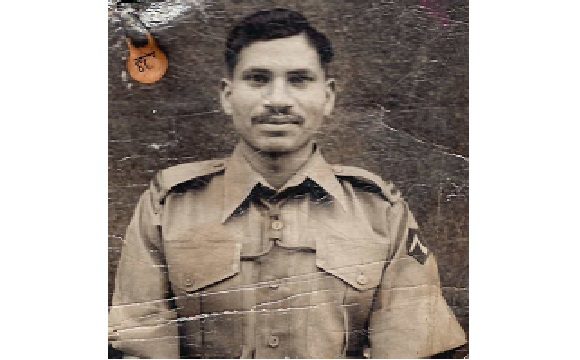
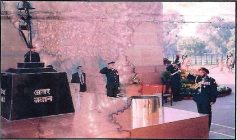
Janardhan Dagduba Wagh
2025 at 7:49 pmJai Hind Sir
I am family member of Sep Janardhan Wagh Service No. 2749002.
Sir, I want to visit their memorial once to pay tribute with my family.
Please guide me in this regard (location and address of the memorial).
I was found their information on Indian martyrs page which was moved now.
Their additional information as is as follows:
Full Name: Janardhan Maljiba Wagh
Rank: Sep
No. 2749002
Home State: Maharashtra
Date of Casualty: 23 Sep 1964
I have photographs also.
I am waiting for reply please.
Thanking you sir