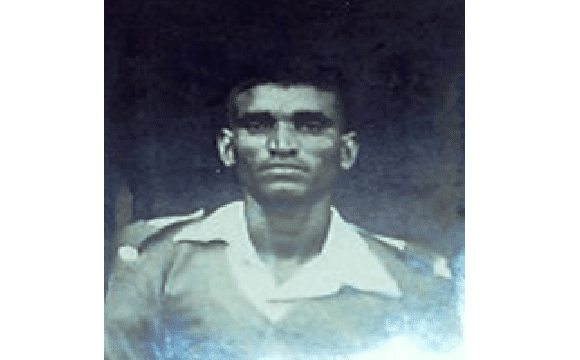

Service No : 4143815
Place of birth : Alwar, (Raj)
Service : Army
Last Rank : Sepoy
Unit : 13 Kumaon
Arm/Regt : The Kumaon Regiment
Operation : Indo-China War 1962
Martyrdom : November 18, 1962
Sepoy Girdhari
Sepoy Girdhari hailed from Amoth village in Alwar district of Rajasthan, a region known for its rich martial heritage and deep-rooted patriotism. Growing up in an environment where service to the nation was held in the highest regard, he imbibed the values of courage, discipline, and dedication from an early age. Inspired by a strong sense of duty, he chose to serve the nation by joining the Indian Army. He was inducted into the 13th Battalion of the Kumaon Regiment—one of the Army’s most distinguished infantry regiments, renowned for its proud legacy dating back to the 18th century and its exemplary record of gallantry in numerous operations. Being part of such a prestigious regiment, Sepoy Girdhari carried forward its traditions with honour, commitment, and a deep sense of responsibility.
He was married to Smt Narayani Devi, who remained a constant source of strength and support throughout his military journey. Throughout his service, Sepoy Girdhari displayed outstanding discipline, unwavering dedication, and selfless commitment to duty. He performed his responsibilities with sincerity and upheld the highest standards of the Kumaon Regiment. By 1962, his battalion was stationed at Ambala and was subsequently deployed to Jammu & Kashmir, reflecting the Army’s confidence in its operational readiness and its ability to respond effectively during a period of escalating security challenges.
Battle of Rezang La (Indo-China War): 18 Nov 1962
No Comments