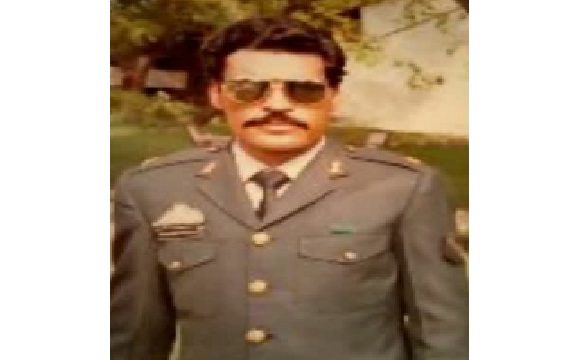

Service No : IC-44706P
Date of Birth : June 6, 1961
Place of birth : Rewa Dist (MP)
Service : Army
Last Rank : Major
Unit : 10 RR
Arm/Regt : The Regiment of Artillery
Operation : CI & IS Ops
Martyrdom : June 1, 1999
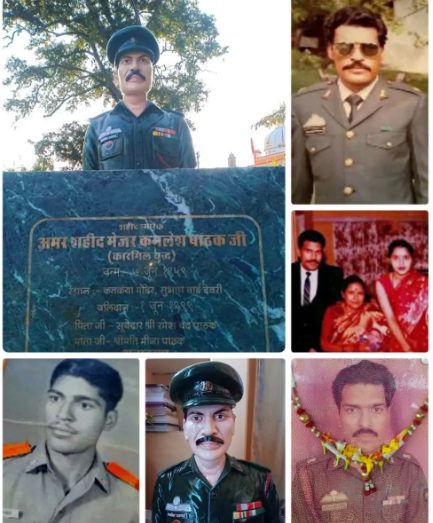
Major Kamlesh Prasad Pathak
Major Kamlesh Prasad Pathak, born on 6 June 1961, was the son of Army veteran Subedar Shri Ramesh Chand Pathak and Smt. Meera Pathak. He hailed from Jamu village in Baikunthpur, Rewa district, Madhya Pradesh—a land renowned for its enduring legacy of patriotism and military service. The region has produced generations of brave sons who answered the nation's call, and young Kamlesh grew up amidst inspiring stories of courage, sacrifice, and honour that shaped his character from an early age. Being raised in the household of a soldier gave him a firsthand understanding of the values of discipline, integrity, and service before self. Watching his father wear the uniform and uphold the highest traditions of military life strengthened his resolve to follow the same path. What began as a childhood dream gradually transformed into an unwavering determination to dedicate his life to the defence of the motherland. With remarkable perseverance and a clear sense of purpose, he pursued his education while keeping his goal firmly in sight. His hard work, discipline, and commitment eventually earned him a place in the Indian Army, marking the beginning of a distinguished military journey.
Upon completing his military training, he was commissioned into the 306 Medium Regiment of the Regiment of Artillery, one of the Indian Army's oldest and most formidable combat arms. Revered as the"God of War," the Regiment of Artillery forms the backbone of the Army's firepower, providing accurate and devastating support to infantry and armoured formations during both war and counter-insurgency operations. Serving in a Medium Regiment demanded exceptional technical proficiency, tactical understanding, physical endurance, and the ability to operate sophisticated artillery systems under the most demanding battlefield conditions. As a young officer, he embraced every challenge with determination, earned the confidence of his men, and developed into a leader who believed in leading from the front rather than from behind. Driven by a desire to contribute directly in operationally active areas, he later volunteered for deputation to the 10th Battalion of the Rashtriya Rifles (10 RR), one of the Indian Army's elite counter-insurgency formations deployed in Jammu & Kashmir. Service with the Rashtriya Rifles required courage beyond the ordinary, as every patrol, search operation, and area domination mission carried the constant risk of enemy contact. Major Pathak adapted seamlessly to the new operational environment.
Doda Operation: June 1999
During 1999, Major Kamlesh Prasad's 10 Rashtriya Rifles (10 RR) Battalion was deployed in the Doda district of Jammu & Kashmir. The battalion was operating as part of the Counter Insurgency Force (CIF) (Delta Force) under the operational control of XVI Corps, also known as 'White Knight Corps', one of the finest operational Corps of the Indian Army, looking after the extent of the Pir Panjal Ranges to the Shivalik Ranges and also the plains of Jammu and Akhnoor. The unit troops were engaged in counter-insurgency operations on a regular basis as its Area of Responsibility(AOR) was affected by active militancy. The dense forests, steep ridgelines, and deep ravines of Doda and Kishtwar provided ideal cover for militants to launch surprise attacks before disappearing into the wilderness, compelling troops to remain in a constant state of operational readiness. While the nation's attention was focused on the Kargil War along the Line of Control, an equally dangerous battle was being fought in these rugged valleys, where Major Kamlesh Prasad Pathak was serving in one of the most demanding operational environments in the country.
Major Pathak had been entrusted with important operational responsibilities within the formation, serving as the Establishment Officer and Camp Commandant at the Headquarters of Counter Insurgency Force Delta in Batote while also undertaking operational duties with 10 Rashtriya Rifles in the Doda–Kishtwar sector. Years of distinguished military service had earned him the confidence of his superiors, but for him, staff responsibility never meant remaining away from danger. Whenever duty demanded, he chose to lead from the front. The unit's Area of Responsibility was one of the most volatile in the region. Thick forests, steep ridgelines, and deep ravines offered ideal cover to infiltrating militants. Every patrol carried the possibility of walking into an ambush, and every operation demanded exceptional courage, discipline, and tactical judgement. During one such operation on 01 June 1999, intelligence indicated the presence of heavily armed militants hiding in the area. Major Pathak was entrusted with leading the mission. On reaching the objective area, he carefully studied the terrain and identified likely militant hideouts concealed among rocks, dense vegetation, and natural folds of the mountain. Appreciating the tactical advantage enjoyed by the militants, he quickly formulated a plan.
He divided his force into four detachments, directing three teams to move simultaneously from different directions to restrict escape routes. Choosing the most difficult and dangerous approach for himself, he personally led the fourth detachment towards the suspected militant stronghold. It was a decision that reflected the essence of his leadership—he never asked his men to undertake a risk that he was unwilling to face himself. As the teams closed in, the silence of the mountains was suddenly shattered. Hidden militants opened intense automatic fire from well-concealed positions, turning the forest into a deadly killing zone. The opening burst caught the advancing troops under heavy fire, but Major Pathak remained completely composed. Exposing himself repeatedly to direct enemy fire, he continued issuing orders, repositioning his men, and encouraging them to press forward despite the overwhelming danger. Inspired by his courage, the detachments tightened the cordon and launched a determined assault. A fierce firefight followed as the militants resisted from their concealed positions. Under Major Pathak's resolute leadership, the security forces gained the upper hand, inflicting heavy losses on the militants while preventing them from breaking through the encirclement.
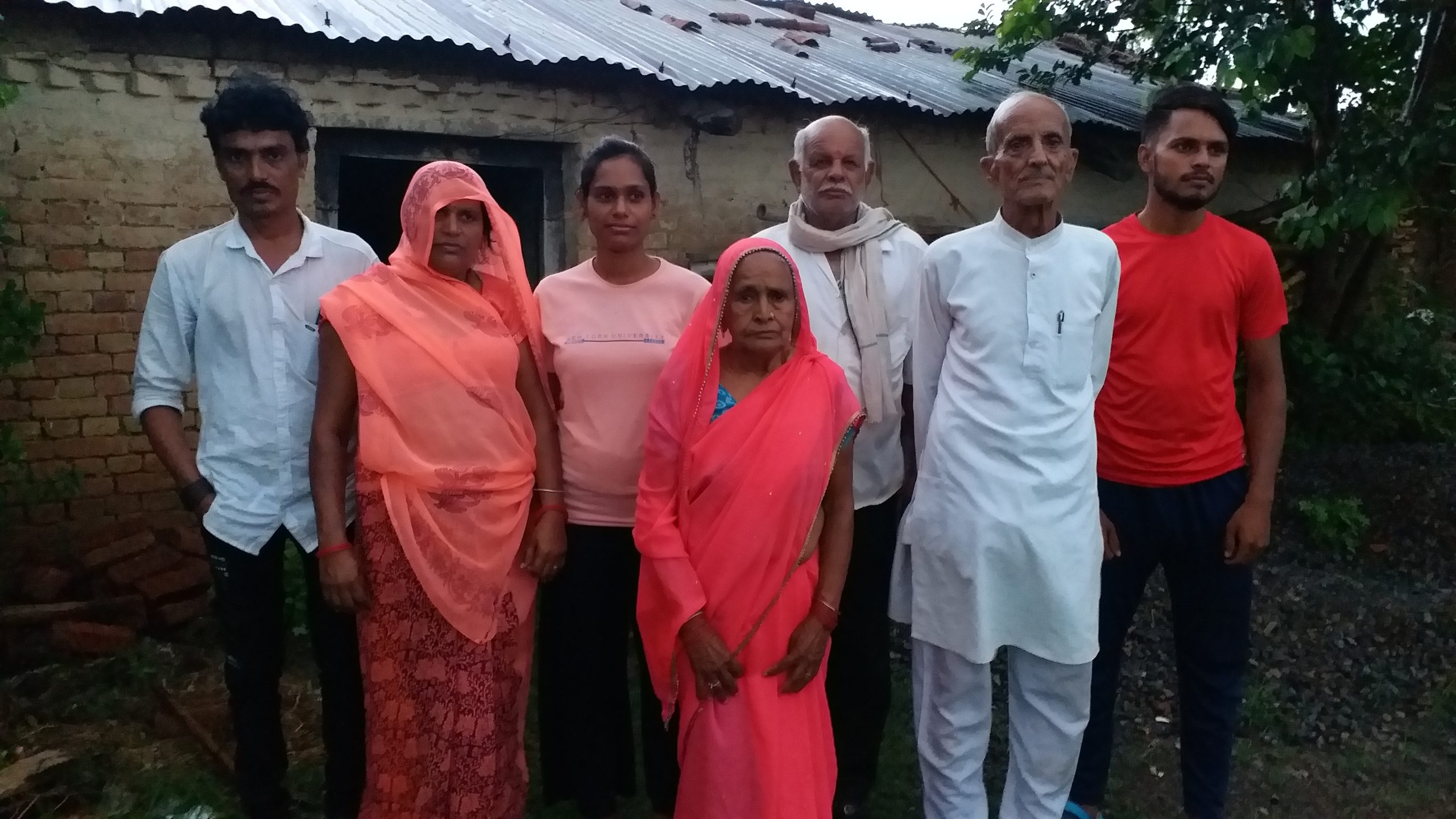
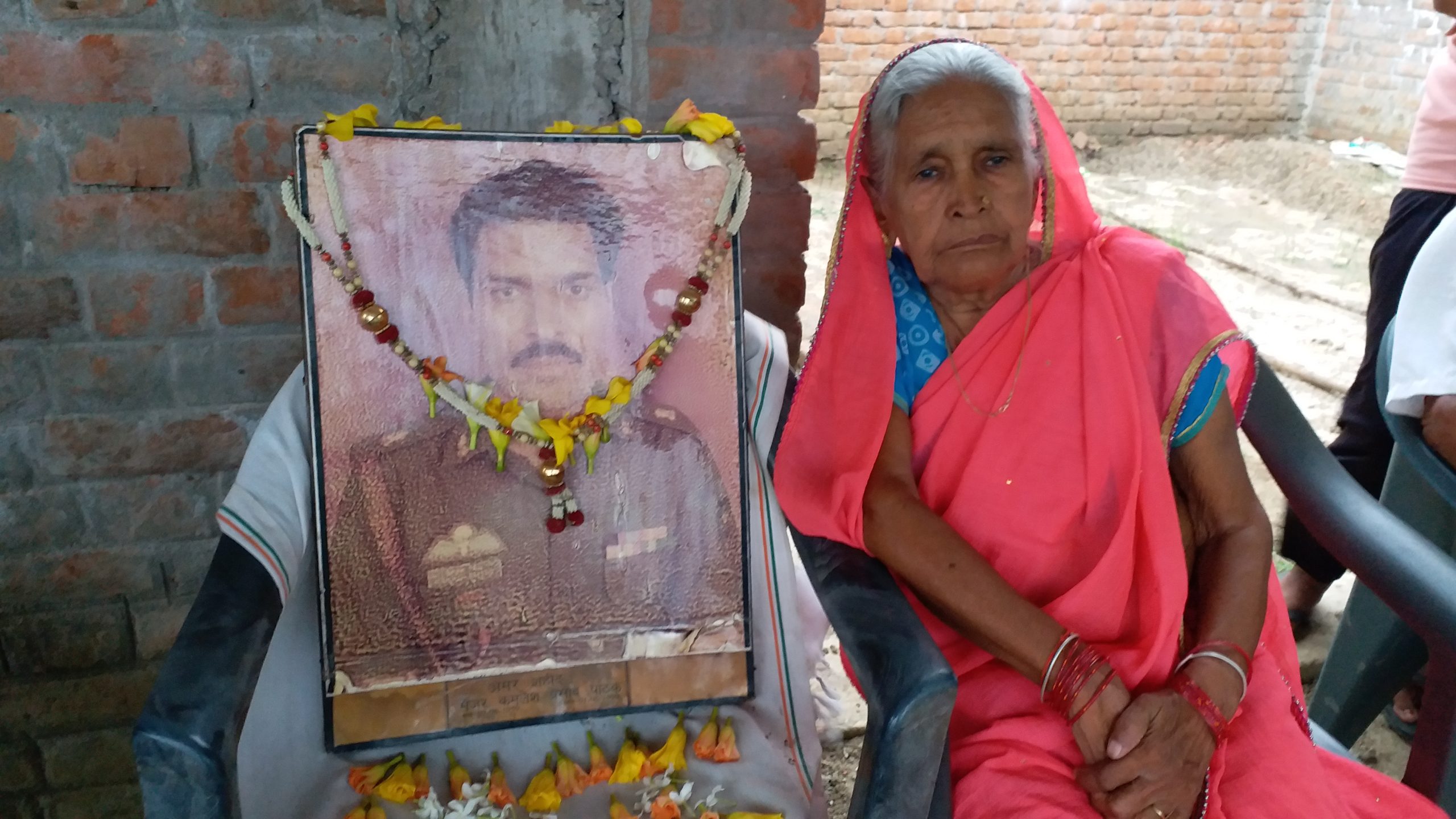
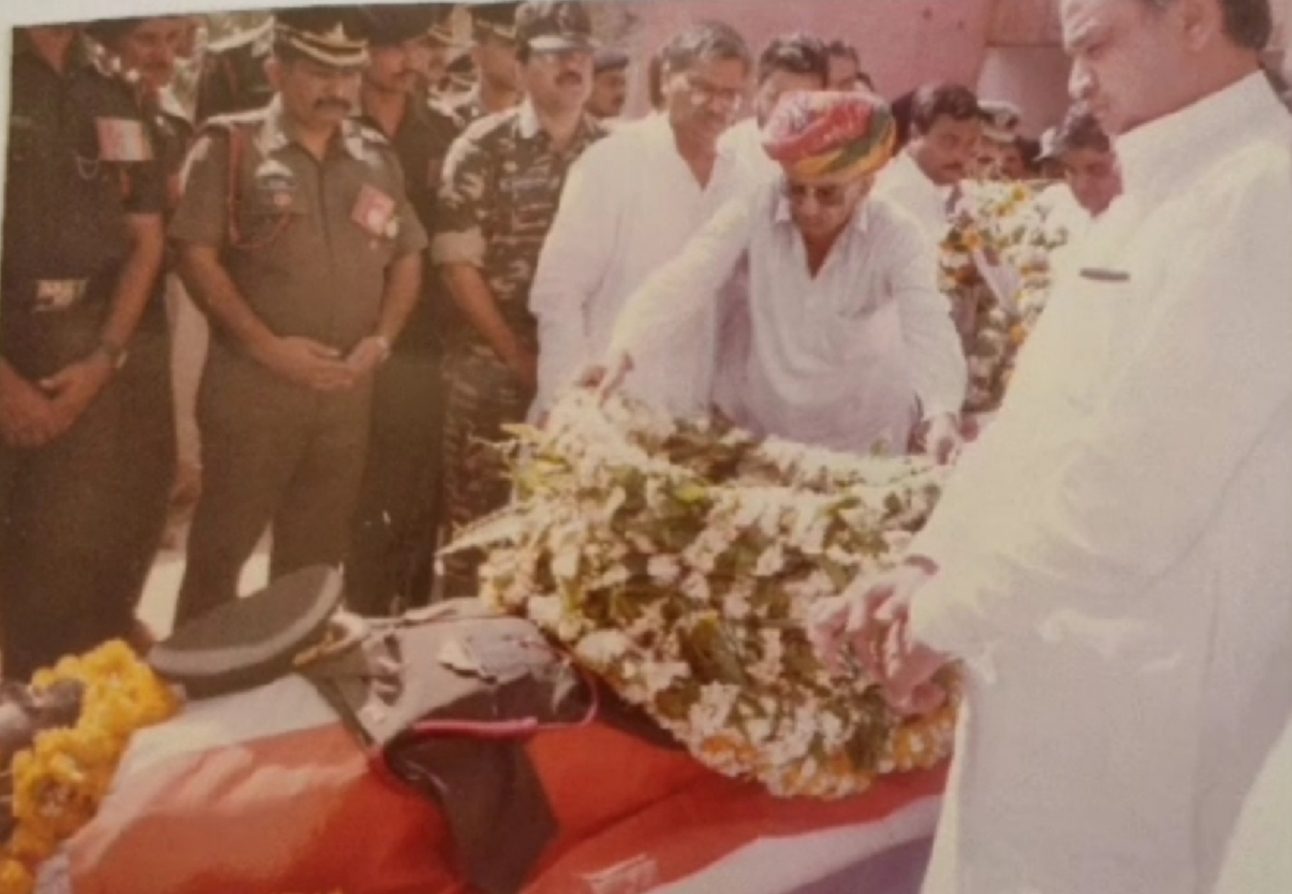
Even as the operation neared its successful conclusion, danger still lurked in the dense undergrowth. A militant who had remained hidden until then suddenly emerged at close range and unleashed sustained automatic fire. Major Pathak absorbed the full force of the burst while protecting his men and continuing to lead until his very last breath. Major Kamlesh Prasad Pathak made the supreme sacrifice in the line of duty, living and dying by the timeless military principle of leading from the front. His mortal remains were brought home to Jamu village in Rewa district, Madhya Pradesh, where thousands gathered to bid farewell to the brave son of the soil. Draped in the Tricolour, he was accorded full military honours as soldiers presented the final salute and patriotic slogans echoed across the village. In a poignant reminder of the ferocity of the battle he had fought, one of the bullets that had struck him remained lodged in his body through the cremation. It was later found by his family among his ashes—a silent yet enduring symbol of the immense sacrifice made by an officer who placed the safety of his men and the honour of his country above his own life.
No Comments