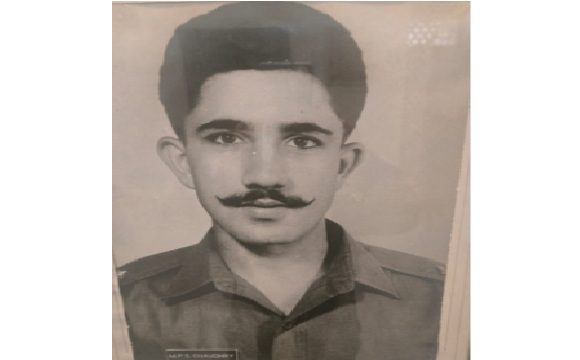

Service No : IC-25428X
Date of Birth : August 21, 1951
Place of birth : Ludhiana Dist (Pun)
Service : Army
Last Rank : Second Lieutenant
Unit : 10 Bihar
Arm/Regt : The Bihar Regiment
Operation : Indo-Pak War 1971
Martyrdom : December 9, 1971
2nd Lt Mahendra Pal Singh Chaudhary
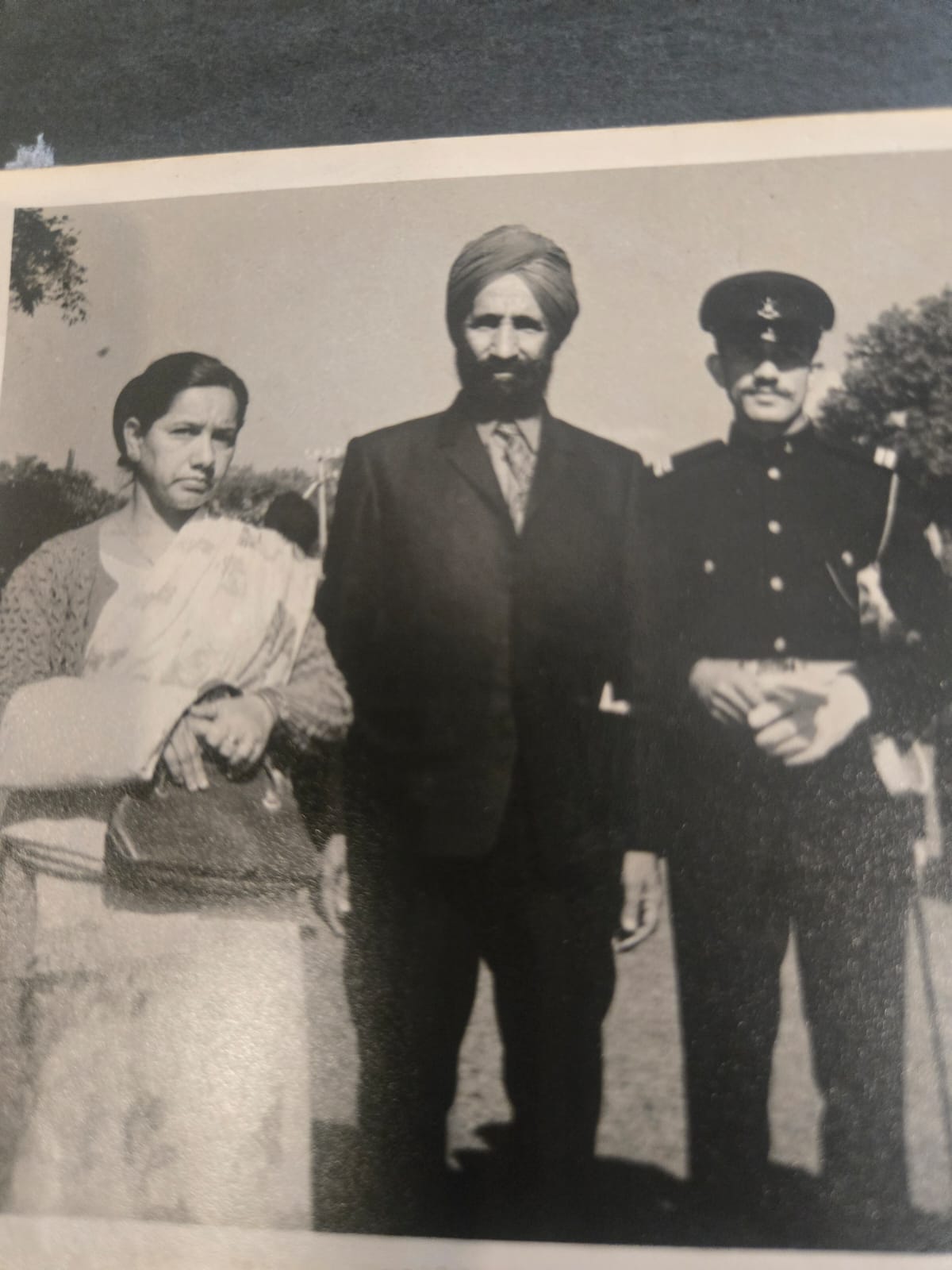
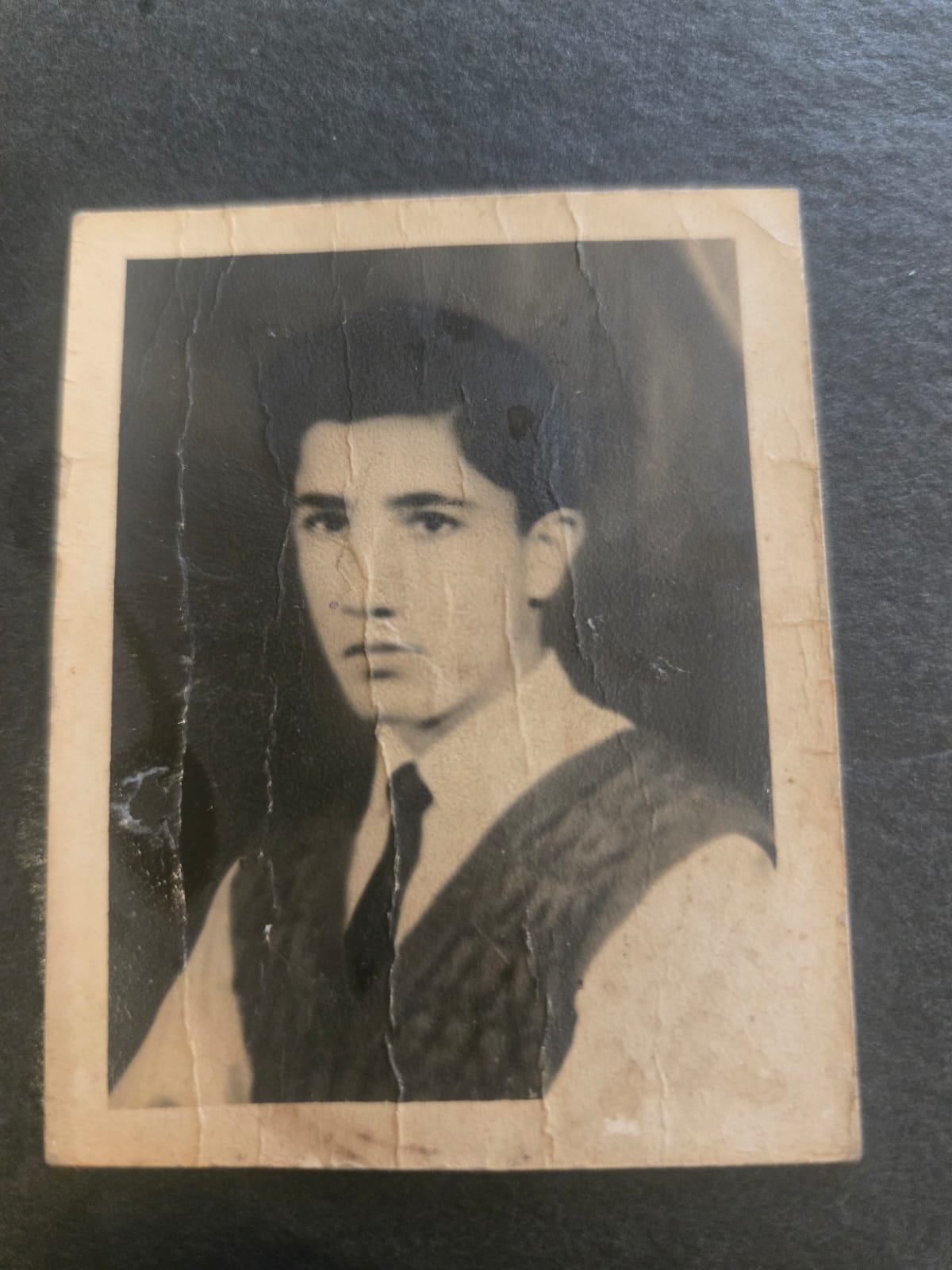
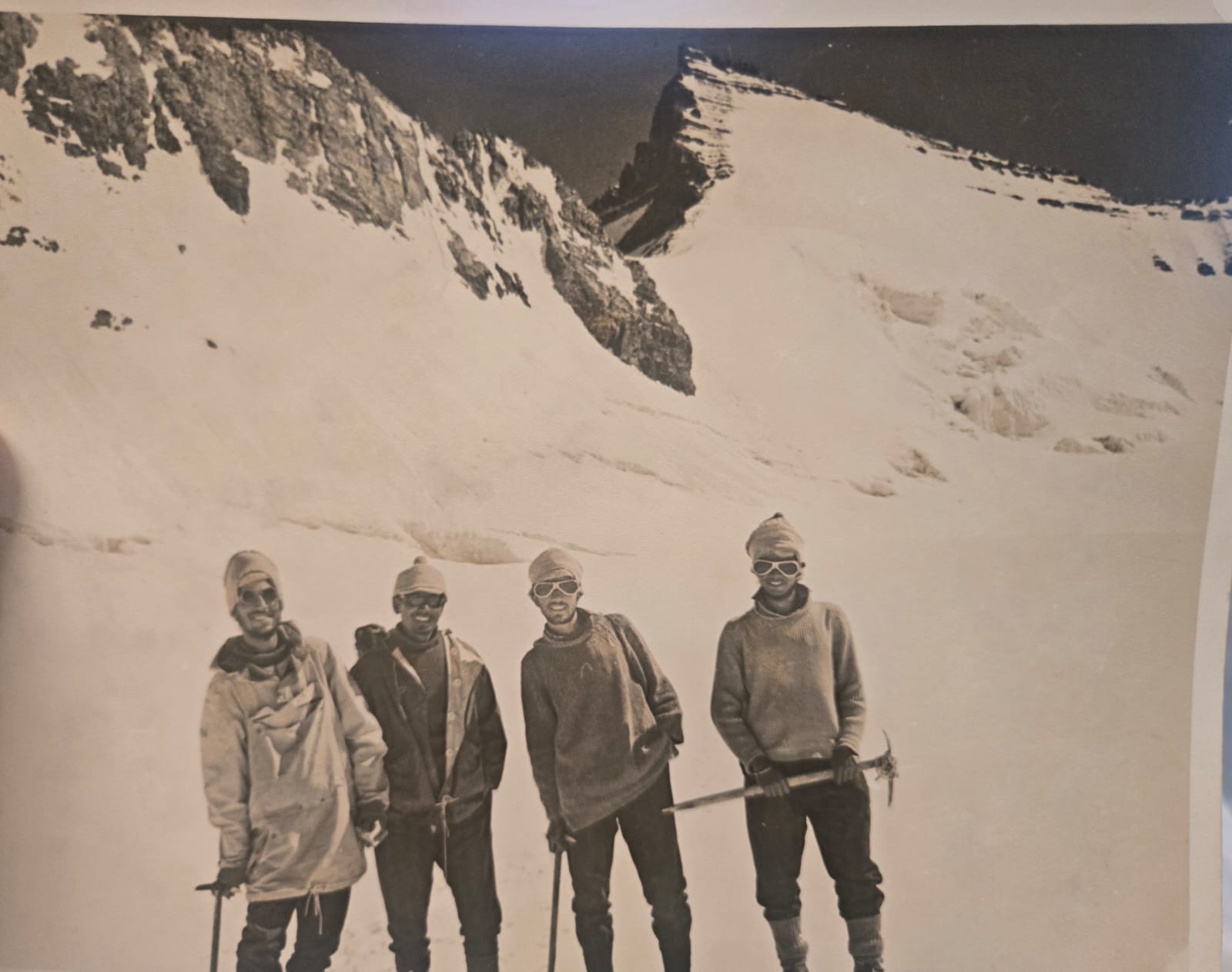
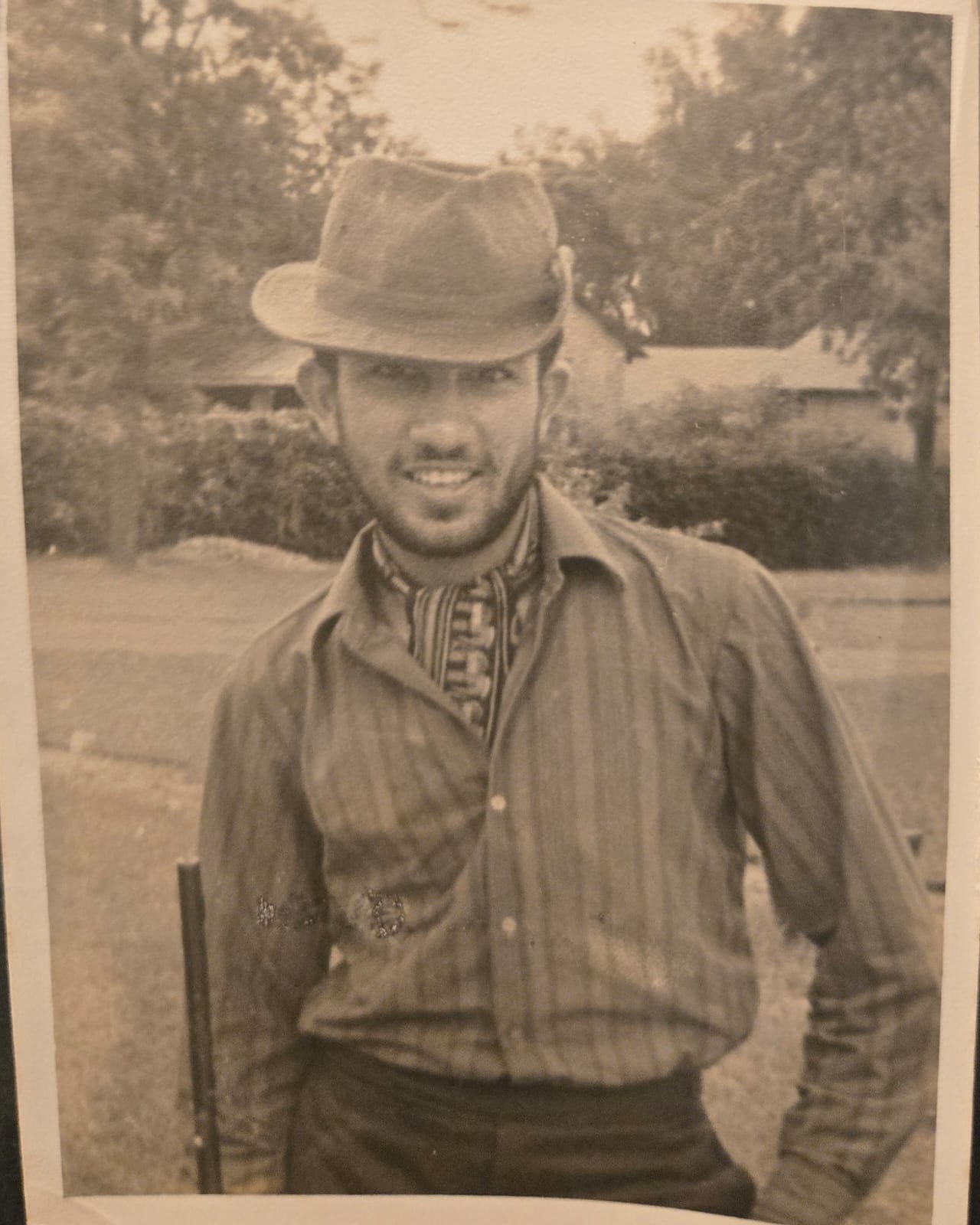
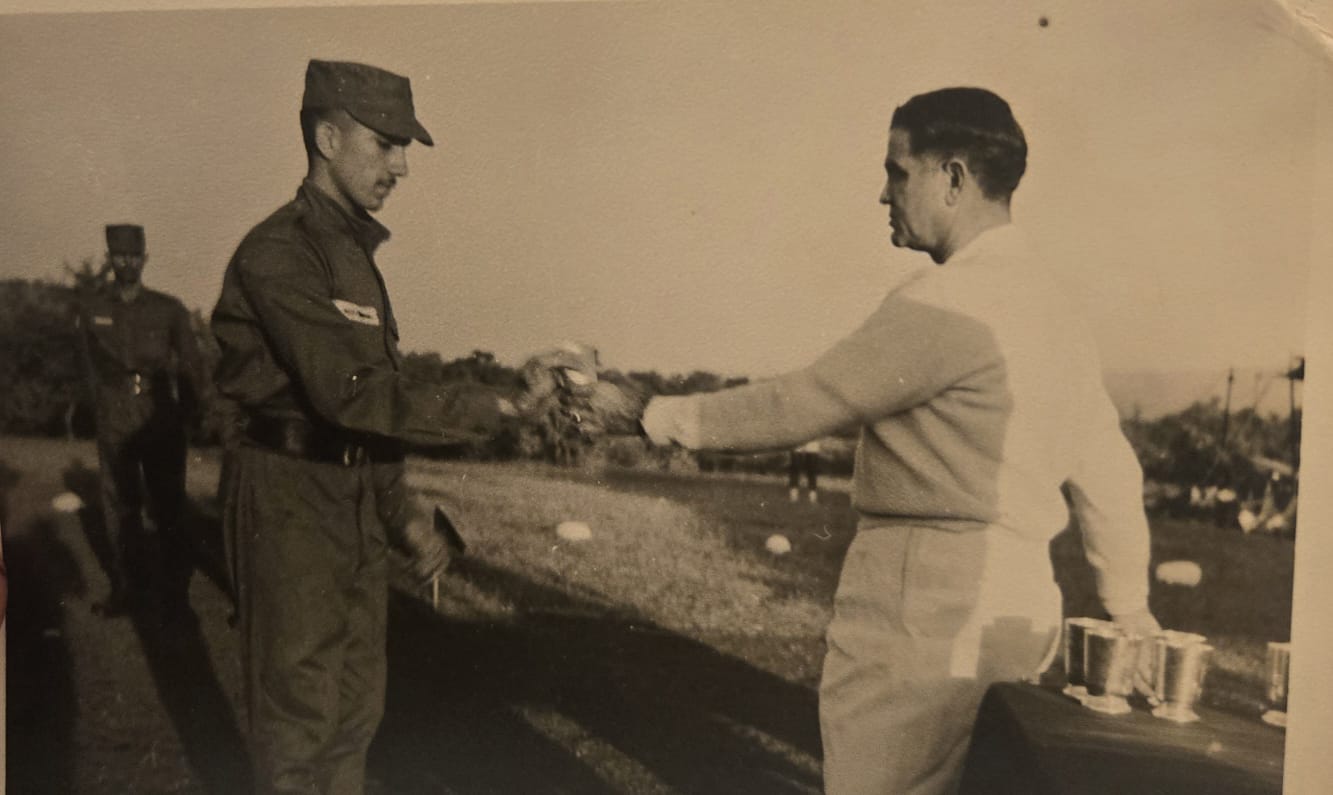
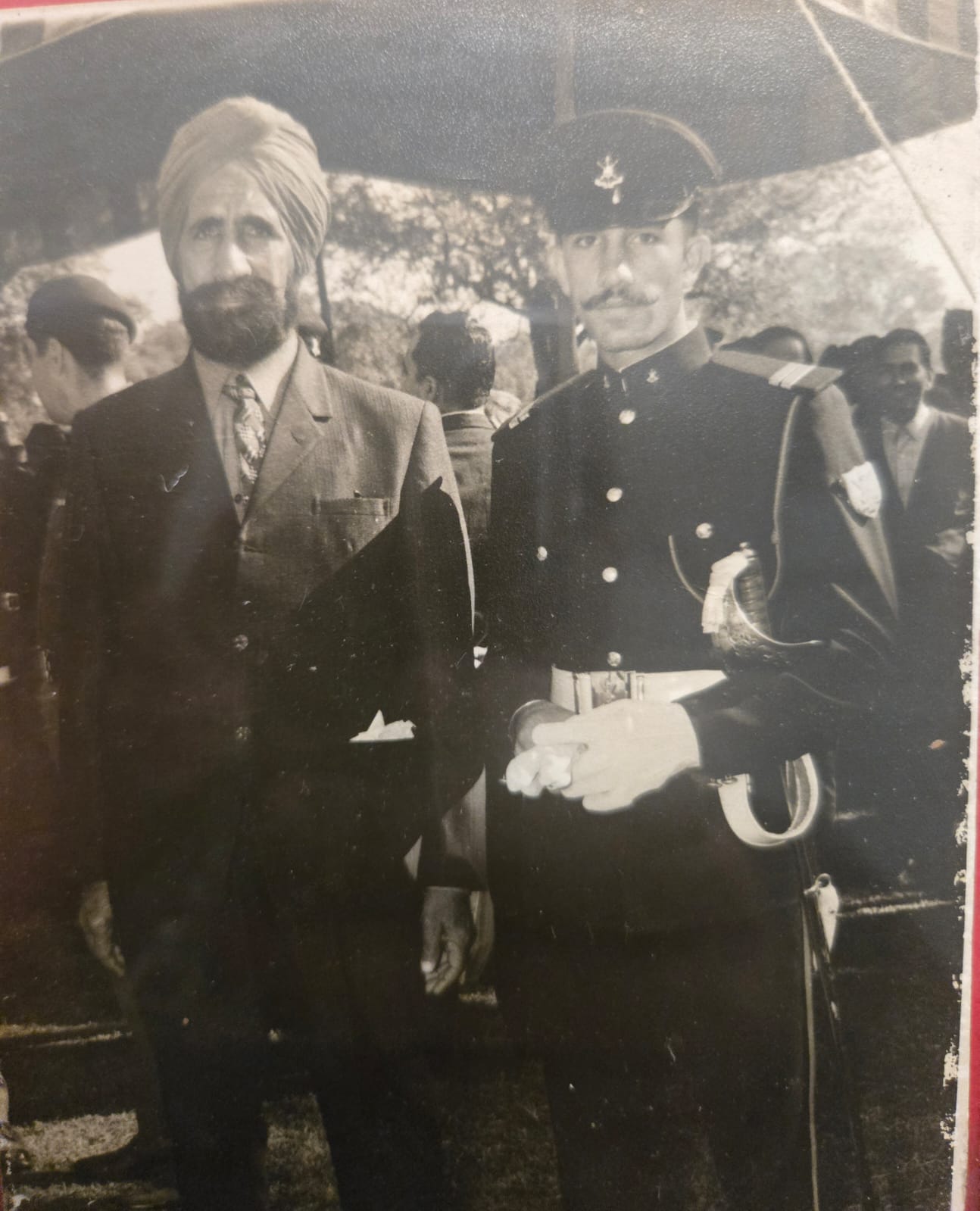
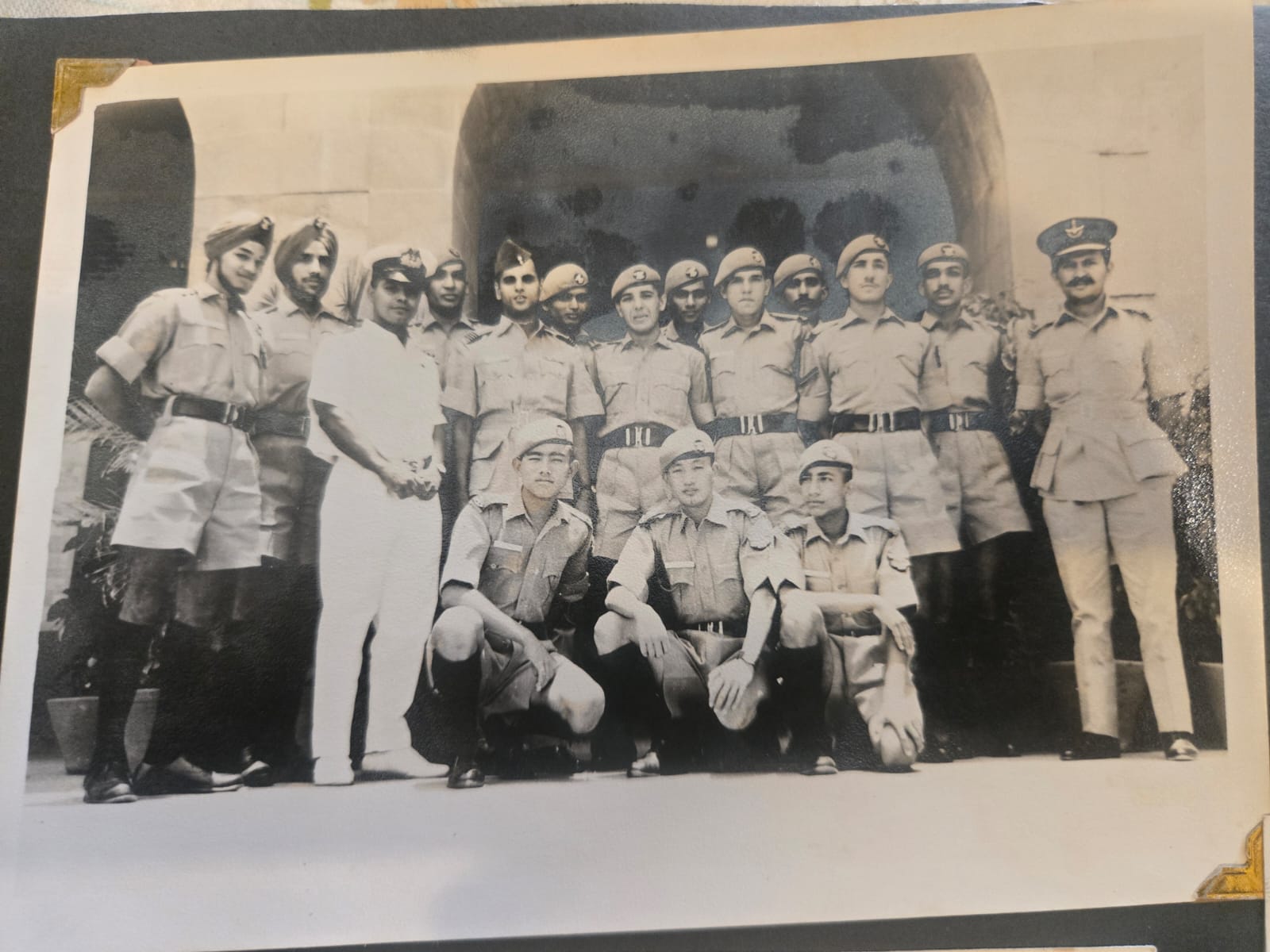
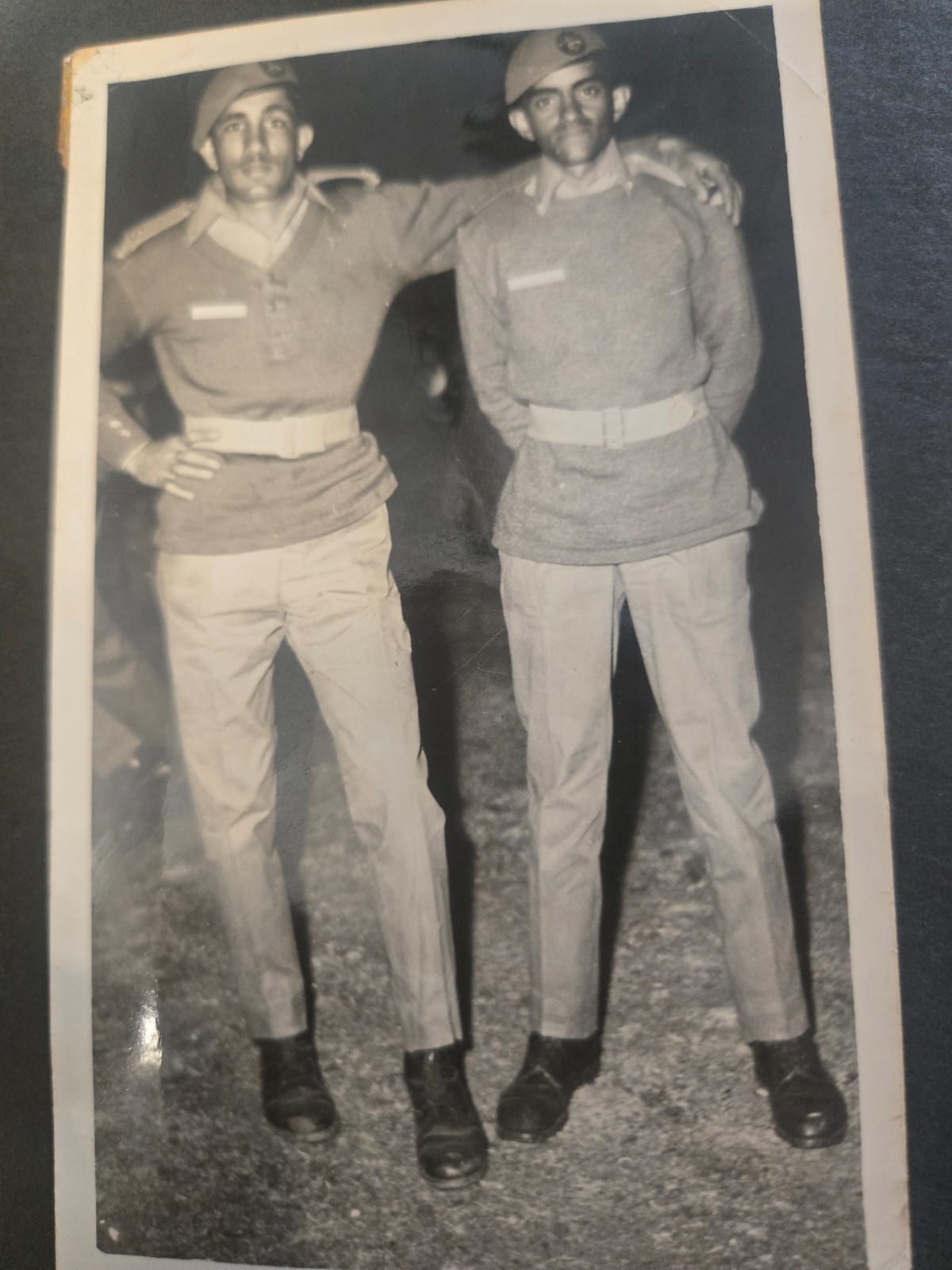
Second Lieutenant Mahendra Pal Singh Chaudhary hailed from Chawapail village in the Ludhiana district of Punjab. He was born on 21 August 1951 into a respected and disciplined family. He was the son of Late Shri Sardar Niranjan Singh Chaudhary, who served as a Station Master with Northern Railways, and Late Smt. Raminder Kaur Chaudhary. Shri Niranjan Singh Chaudhary, who passed away in 1983, hailed from a prosperous farming family in Punjab, and the family continues to carry forward its agricultural legacy with pride. He grew up in a close-knit household alongside his brothers, Purshottam Singh and Yashpal Singh, and his two sisters, Jasbir and Sunita. His upbringing instilled in him strong values of integrity, hard work, and patriotism from an early age. A vibrant and talented individual, he displayed a wide range of interests during his formative years. He was a gifted painter with a keen artistic sense and was equally passionate about sports and outdoor pursuits. His boundless energy, adventurous spirit, and physical agility earned him the affectionate nickname “Tarzan” among his friends and classmates. Deeply inspired by the ideals of courage, discipline, and service to the nation, he developed a strong desire to join the armed forces at a young age. Determined to turn this aspiration into reality, he began his journey at Sainik School Rewa in Madhya Pradesh, where the foundations of his military ethos and discipline were firmly laid. The environment at the school nurtured his sense of duty, leadership qualities, and commitment to national service.
He was selected for the National Defence Academy, where he underwent rigorous training that laid a strong foundation for his future military career. After successfully passing out from the NDA, he proceeded to the Indian Military Academy for further training, where he joined the 48th Regular Course. On completion of his training at the IMA on 15 November 1971, he was commissioned as a Second Lieutenant in the Indian Army as part of the 48th Regular Course, alongside the 32nd Technical Course. He was commissioned into the 10 Bihar Battalion of the Bihar Regiment, one of the oldest and most distinguished infantry regiments of the Indian Army, renowned for its rich traditions of valour, discipline, and sacrifice. At the time of his commissioning, 10 Bihar was a relatively young battalion, having been raised in 1967, and was in the process of building its own proud traditions and operational identity within the Regiment. As a young officer, 2nd Lt Mahendra Pal Singh Chaudhary brought enthusiasm, sincerity, and a strong sense of duty to his new role. His professionalism, cheerful nature, and commitment to soldiering quickly earned him the respect and affection of his seniors, peers, and men under his command.
Battle of Akhaura (Indo-Pak War): Dec 1971
During the Indo-Pak War of 1971, 2nd Lt Mahendra Pal Singh Chaudhary was serving with 10 Bihar, which was deployed in the Eastern Sector in the Agartala region of Tripura. The battalion was under the operational control of 311 Mountain Brigade, part of the 57 Mountain Division, which in turn functioned under IV Corps. IV Corps was commanded by Lieutenant General Sagat Singh, with its headquarters at Teliamura. The 57 Mountain Division was commanded by Major General BF Gonsalves. The war formally commenced on 3 December 1971, when the Pakistani Air Force launched pre-emptive strikes on Indian airfields in the western sector at about 1740 hours. By the morning of 4 December, Indian forces had initiated full-scale offensive operations in East Pakistan. In the Eastern Theatre, IV Corps was tasked with advancing towards the Meghna River and creating conditions for a decisive thrust towards Dhaka. As part of this plan, 57 Mountain Division was assigned the crucial task of capturing Akhaura, a heavily fortified border town of great tactical and logistical importance, and thereafter advancing towards Daudkandi and beyond. Akhaura posed a formidable challenge. The enemy had converted it into a strong defensive position, reinforced with bunkers, trenches, minefields, barbed wire obstacles, and supported by artillery and armour. Additionally, Pakistani forces were using the area to shell Agartala and carry out disruptive activities across the border.
As part of the divisional plan, 311 Mountain Brigade, including 10 Bihar, was tasked with advancing towards Akhaura from the north. On 1 December 1971, even before the formal outbreak of hostilities, 10 Bihar, along with 4 Guards, crossed the international border and began offensive operations. The battalion undertook a difficult cross-country advance and successfully captured key positions such as Noapara and Lonasar, thereby tightening the encirclement of enemy defences. The main assault on Akhaura was launched on the night of 4 December 1971. 10 Bihar was assigned the critical objective of capturing the Akhaura Railway Junction, a key node whose fall would sever enemy lines of communication. Despite stiff resistance and intense fighting, the battalion pressed forward with determination. In the early hours of 5 December, after heavy fighting, 10 Bihar captured Simrail. Simultaneously, 4 Guards established a vital block across the Titas River at Kodda, preventing enemy reinforcement and withdrawal. Continuing the offensive, 10 Bihar, in conjunction with other units, including 18 Rajput, launched coordinated attacks on Akhaura. After fierce engagements, the enemy defences were broken, and Akhaura, along with the railway bridge over the Titas River, was captured on the morning of 5 December 1971. This success marked a significant turning point in the sector.
Following the capture of Akhaura, fresh intelligence indicated that the railway embankment towards Brahmanbaria could be used as an approach route to Ashuganj and further towards Dhaka. Recognizing the opportunity, the divisional axis of advance was swiftly reoriented. 311 Mountain Brigade, including 10 Bihar, advanced along the Akhaura–Brahmanbaria axis, while 73 Mountain Brigade moved along a parallel route. Between 7 and 8 December, Indian forces continued their rapid advance. The 311 Brigade crossed the Titas River and pushed forward, while other elements secured positions to outflank the enemy. Under sustained pressure, Pakistani forces began withdrawing towards Ashuganj. On 8 December, key positions around Brahmanbaria were secured, and the advance towards Ashuganj gathered momentum. Amid these intense operations, 2nd Lt Mahendra Pal Singh Chaudhary displayed exemplary courage and leadership while leading his troops in combat. On 9 December 1971, during the continued advance and engagement with the enemy, he made the supreme sacrifice in the line of duty, upholding the highest traditions of the Indian Army. At just 20 years of age, he laid down his life in the service of the nation, displaying a level of bravery and commitment far beyond his years. On the same day, as Indian forces closed in, the enemy, unnerved by the relentless advance, destroyed the Ashuganj bridge in a desperate attempt to delay the Indian thrust. However, by then, the momentum had decisively shifted. Pakistani troops withdrew in disarray across the Meghna River, and Ashuganj was captured on 10 December 1971. The operations of 10 Bihar, under 311 Mountain Brigade, played a vital role in the capture of Akhaura and the subsequent advance towards the Meghna, significantly contributing to the collapse of enemy resistance in the sector.
The Battle of Akhaura and the subsequent advance toward Brahmanbaria and Ashuganj proved to be among the hardest-fought phases of 10 Bihar’s campaign in the eastern theatre. The battalion later advanced across the Meghna in the famous heli-lift operations and continued its push toward Dhaka, contributing significantly to India’s decisive victory. However, the cost of these successes was high. During the course of these operations, besides 2nd Lt Mahendra Pal Singh Chaudhary, two other officers—Captain KC Sharma and 2nd Lt KK Majumdar, three Junior Commissioned officers and forty-five other ranks of 10 Bihar Battalion also made the supreme sacrifice in the line of duty. Second Lieutenant Mahendra Pal Singh Chaudhary’s sacrifice remains a shining example of youthful courage, leadership, and devotion to duty.
Second Lieutenant Mahendra Pal Singh Chaudhary is survived by his elder brother Shri Purshottam Singh (He served in the Indian Navy and was among the original crew members who brought INS Vikrant to India in 1961), sisters Smt Jasbir Singh & Smt Sunita Dhingra.
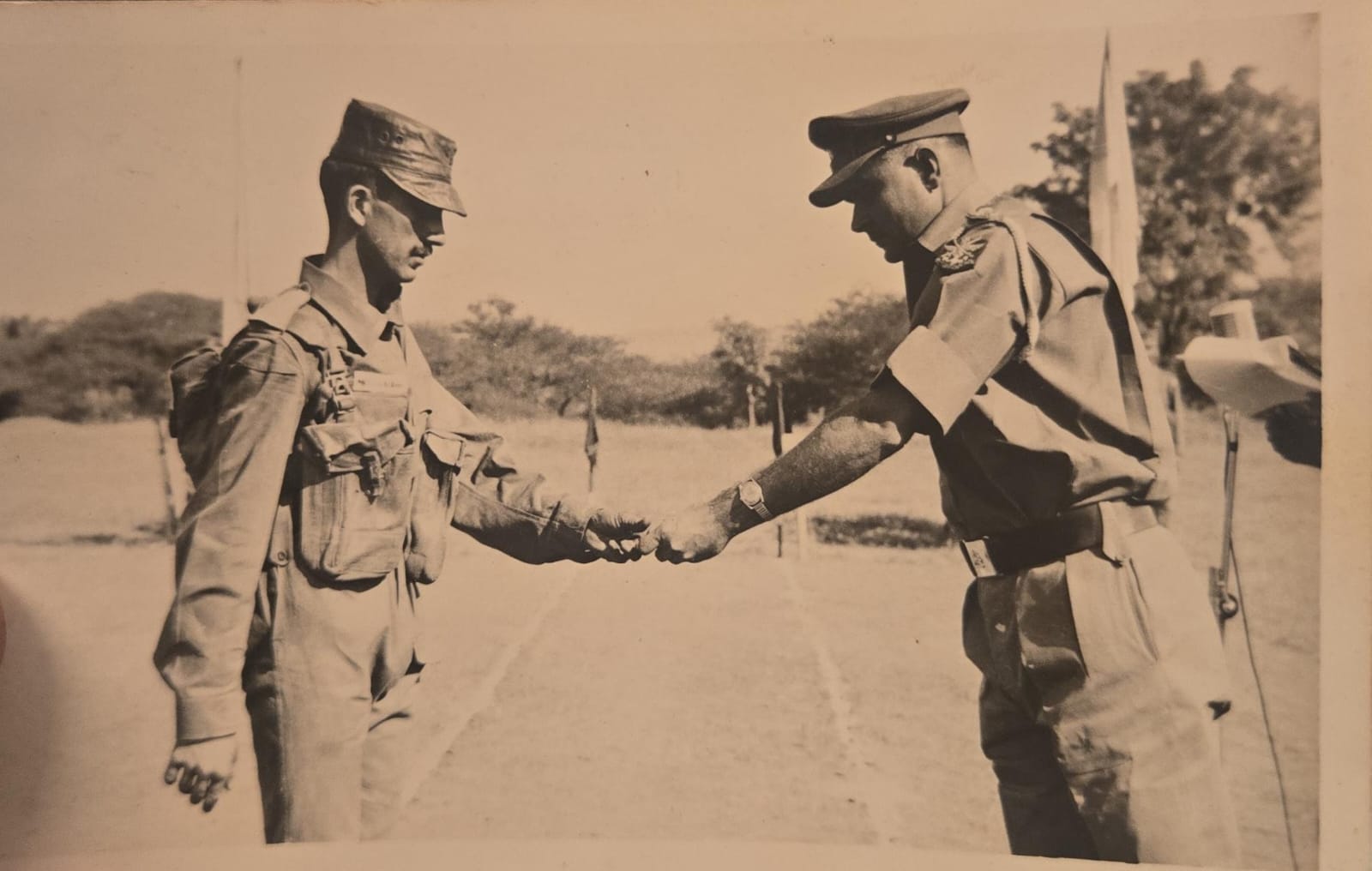
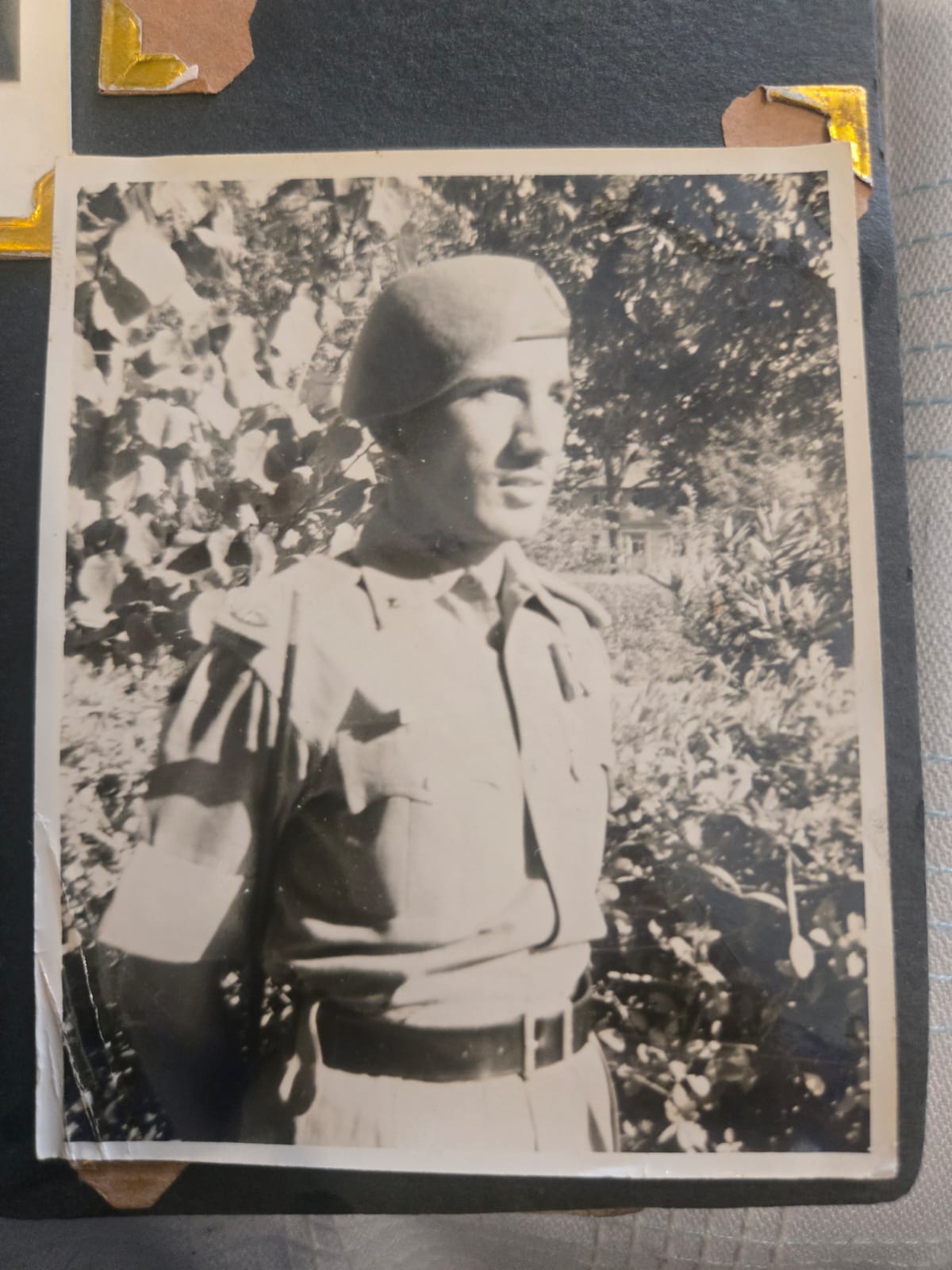

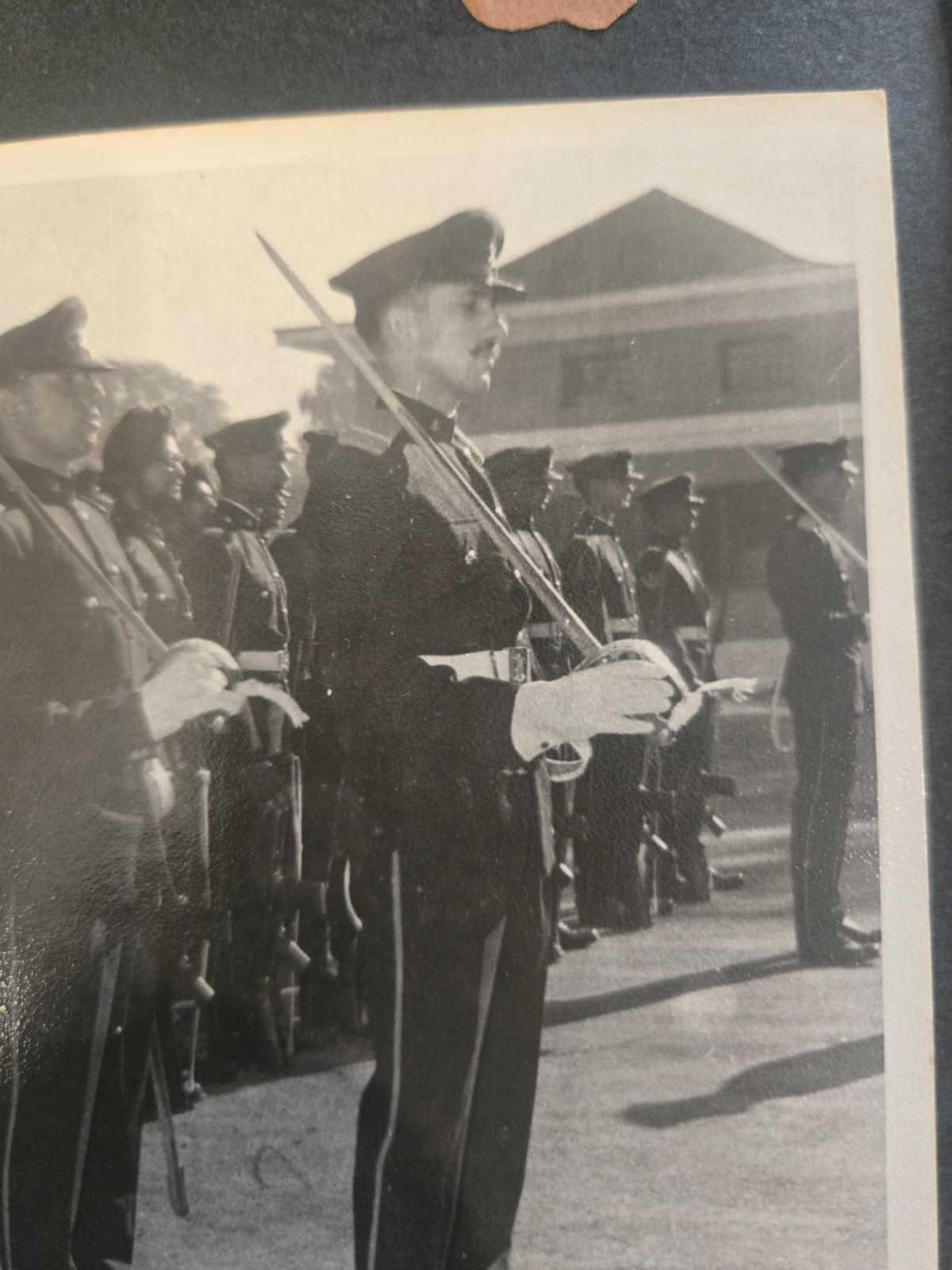
bhanu pratap singh chaudhary
2026 at 10:46 amमहेंद्र पाल सिंह चौधरी मेरे पिता के बड़े भाई और मेरे ताऊजी थे,
उनके बारे में मैं सारी जानकारी उपलब्ध करा सकता हूँ,
जनरल जी डी बक्शी उनके course mate थे, परंतु जिस यूट्यूब वीडियो इंटरव्यू के बारे में लोग बात करते हैं, उसमें दी गयी सारी जानकारी झूठ और भ्रमित करने वाली है। बक्शी सहाब ने शायद उस दिन कोई नशा किया हुआ था.
For details on MPS Chaudhary, please contact me on bpschaudhary@gmail.com
Lalit pathania
2026 at 10:47 amhttps://www.instagram.com/reel/DJxo1HqTLtk/?igsh=MXRyNHo3bWR3cnJ0bg==
C B Singh Sheoran a Sahajdhari Jat.
2026 at 10:48 amWe shall never forget our martyrs like 2/Lt M P S Chaudhary.
Anand
2026 at 10:49 amIn reply to anurag sinha.
could you please share the video’s link?