Service No : 14383995A

Place of birth : Jodhpur Dist (Raj)

Service : Army

Last Rank : Havildar

Unit : 1861 Lt Regt

Arm/Regt : The Regiment of Artillery

Operation : CI & IS Ops

Martyrdom : March 19, 2008

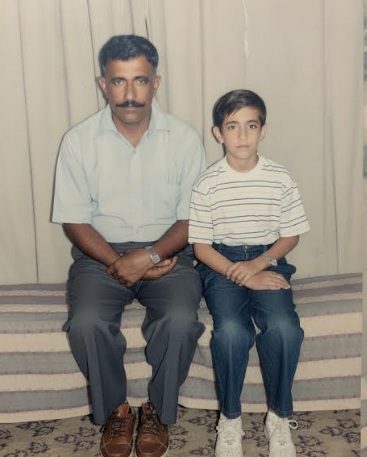
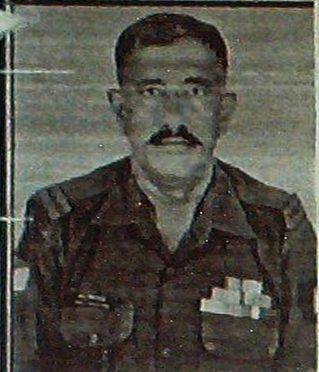
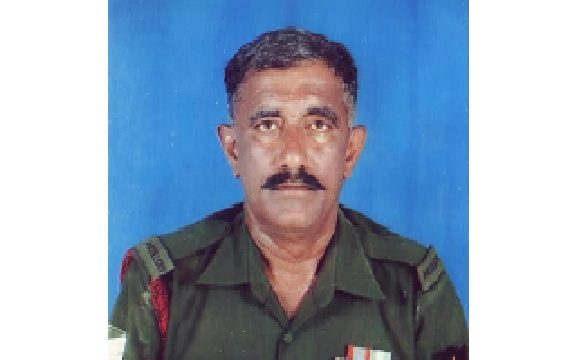
Havildar Mangu Singh

Havildar Mangu Singh was a proud son of Nimbaka Gao, a village situated in the Shergarh tehsil of Jodhpur district in Rajasthan. Born into a humble family that faced economic hardships, he learned the values of perseverance, responsibility, and hard work from an early age. Despite limited resources, he remained steadfast in his ambitions and displayed remarkable determination to build a meaningful future for himself and to serve his country. Driven by an unwavering desire to serve the nation, he chose to enlist in the Indian Army—a decision that reflected both courage and dedication. After successfully completing his rigorous military training, he was inducted into the 1861 Light Regiment of the Regiment of Artillery. The Regiment of Artillery is one of the most prestigious and vital combat arms of the Indian Army, renowned for its expertise in operating field guns and howitzers that provide decisive firepower support during military operations. As a member of the 1861 Light Regiment, he became part of a distinguished tradition of artillerymen known for their technical proficiency, precision, and battlefield effectiveness. After serving the nation with dedication for some time, he entered into matrimony with Ms Mohan Kunwar and the couple was blessed with a son, Sohan Singh.

 
Field Firing Exercise (Brazen Chariots): 19 Mar 2008
 

In 2008, Havildar Mangu Singh was serving with the 1861 Light Regiment, a unit of the Regiment of Artillery, one of the combat arms of the Indian Army. At the time, the regiment was deployed in the desert sector of western Rajasthan, an area marked by extreme temperatures, shifting sands, and vast open terrain that demanded exceptional endurance, technical precision, and constant vigilance from every soldier. To maintain peak combat readiness, the unit regularly conducted large-scale field exercises and live firing drills. These exercises were designed to test weapon systems, ammunition reliability, crew coordination, and operational response under realistic battlefield conditions. On 19 March 2008, the regiment participated in a major live demonstration titled “Brazen Chariots” at the Pokhran Field Firing Range in Rajasthan. The event was held before nearly 100 foreign military observers from around 60 countries and showcased India’s military capabilities. The desert landscape resonated with the roar of T-90 tanks manoeuvring across the sands and artillery guns firing in coordinated sequences. The exercise was meticulously planned to demonstrate precision, power, and professionalism.


Havildar Mangu Singh was detailed as a key member of a 120 mm mortar detachment from the 1861 Light Regiment. Within his regiment, he was widely regarded as a dependable leader and a trusted comrade. He earned deep respect for his calm demeanour under pressure, his strong sense of responsibility, and his unwavering resolve. The detachment under his charge included Lance Naik Sanjaya Kumar Bagh, Gunner Ram Mehar, and other dedicated members of the mortar crew. Prior to the live demonstration, the team underwent comprehensive operational briefings and conducted stringent safety checks in accordance with established artillery procedures. Every protocol was meticulously followed to ensure the safe and effective execution of the task. Once preparations were complete, the detachment advanced to its designated firing position. They were assigned the mission of firing 22 rounds from the 120 mm mortar system as part of the exercise. The operation commenced in a disciplined and professional manner. Round after round was fired with precision, successfully engaging the designated targets. The detachment functioned as a cohesive and highly trained team, demonstrating technical proficiency and exemplary coordination. However, tragedy struck during the firing of the 20th round.


In a sudden and catastrophic malfunction, a high-explosive fragmentation bomb detonated prematurely within the lower portion of the mortar barrel. The powerful explosion ripped through the detachment’s position, sending lethal splinters and shockwaves in all directions. The impact was immediate and devastating. As a result, Havildar Mangu Singh, Lance Naik Sanjaya Kumar Bagh, and Gunner Ram Mehar sustained severe injuries. Nearby personnel and safety teams responded without delay, rushing to the site to secure the area and initiate evacuation procedures. The injured were promptly airlifted by helicopter to the military hospital in Jodhpur for urgent medical treatment. Despite all efforts, Havildar Mangu Singh and his two fellow soldiers could not survive and made the supreme sacrifice in the line of duty. Their sacrifice exemplifies the discipline, professionalism, and devotion to duty that form the bedrock of the Indian Army. It stands as a solemn reminder of the inherent risks faced by soldiers—even during training exercises and live demonstrations conducted in preparation for war. Such operations, though carefully structured and controlled, demand the same courage, vigilance, and commitment as active combat on the battlefield. Havildar Mangu Singh was a committed soldier and a brave soldier who led from the front and laid down his life in the service of the nation.

 
  • If you find any information that is incorrect or inappropriate or have additional information about the soldier that can be added to his memorial site, please contact us by using the tab given below.
No Comments

Post a Comment