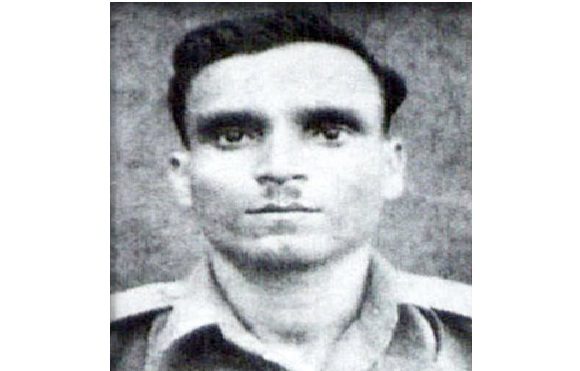
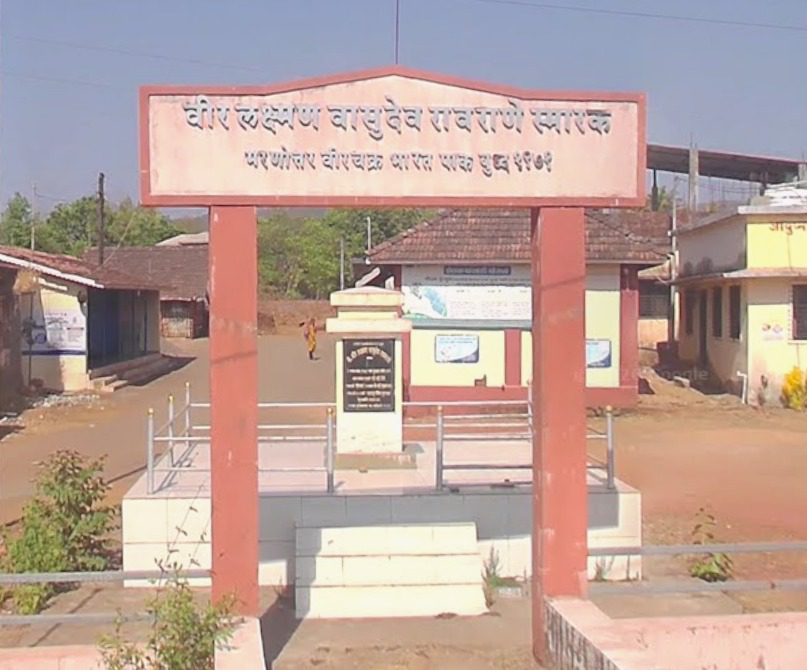
Naik Laxman Rane hailed from Achirne village in Vaibhavwadi Taluka of Sindhudurg district, Maharashtra. He was born on 1 July 1930 to Shri Vasudev Rane and Smt. Satyabhama Rane. Raised in humble rural surroundings, he completed his schooling locally and grew up imbibing the values of discipline, simplicity, and hard work that characterised life in the Konkan region of Maharashtra. These formative influences shaped his character and instilled in him a deep sense of responsibility and perseverance. Motivated by a desire to serve the nation and to pursue a life of purpose beyond personal aspirations, he joined the Indian Army. Upon recruitment, he was inducted into the 1st Battalion of the Maratha Light Infantry, one of the oldest and most highly decorated regiments of the Indian Army. The Maratha Light Infantry is renowned for its rich martial legacy, indomitable fighting spirit, and numerous acts of valour in wars and operations since its raising. Serving in such a distinguished regiment was both an honour and a responsibility, and Naik Laxman Rane lived up to this legacy with sincerity and pride. Throughout his service, he upheld the highest traditions of the regiment and the Indian Army, displaying steadfast dedication, discipline, and loyalty to duty—qualities that reflect the finest ethos of a Maratha soldier.
Within a few years of service, he married Ms Sulochana, and the couple was blessed with a son, Satyawan, and a daughter, Shital, marking the beginning of a fulfilling personal life alongside his military career. Even while balancing family responsibilities with the demanding life of a soldier, his commitment to the nation remained unwavering—a devotion that would ultimately define his legacy.
Eastern Theatre (Indo-Pak War): 03-11 Dec 1971
During the Indo–Pak War of 1971, Naik Laxman Rane was serving with the 1st Battalion of the Maratha Light Infantry (1 MLI), commanded by Lieutenant Colonel KS Brar, under 95 Mountain Brigade. Even before the formal outbreak of hostilities, the battalion had been moved from Nagaland to the Tura sector along the India–East Pakistan border in October 1971. This early induction placed 1 MLI at the forefront of operations intended to shape the battlefield in preparation for the coming campaign. Throughout October and November 1971, the battalion maintained an aggressive posture. Operating in close coordination with Mukti Bahini freedom fighters, it undertook extensive patrolling, raids, and ambushes to deny the enemy freedom of movement and to gather critical intelligence on Pakistani dispositions. Long-range patrols pushed deep towards Jamalpur, and in one particularly successful action, an ambush destroyed a Pakistani heavy mortar battery. These sustained operations steadily weakened the enemy’s hold over the region and set favourable conditions for the decisive phase of the war. Following the outbreak of hostilities on 3 December 1971, 1 MLI launched a bold, wide outflanking move from its border base. Advancing across difficult terrain on a man-pack basis, the battalion made contact with Pakistani positions at Bakshiganj. The objective was secured with minimal resistance after the enemy’s unsuccessful attempt to break the encirclement. Maintaining momentum, the battalion moved again on 5 December, deliberately avoiding predictable routes. With the assistance of local freedom fighters, the troops crossed a tributary of the Brahmaputra River in country boats well west of Jamalpur, achieving tactical surprise.
By first light on 9 December 1971, 1 MLI had established a firm roadblock astride the strategically vital Jamalpur–Tangail road, effectively isolating the Jamalpur garrison and cutting off its withdrawal and reinforcement routes. The battalion deployed its companies in a carefully coordinated layout: Y Company to the west of the road, C Company to the east, and A and D Companies positioned in depth to provide support. The isolation of Jamalpur placed immense pressure on the Pakistani garrison. A surrender message, conveyed through Mukti Bahini freedom fighter Zohal Haq Munshi (later decorated with the ‘Bir Purush’ by Bangladesh), was rejected by the Pakistani commander, Colonel Sultan Ahmed of 31 Baluch, leading to intensified engagements in the area. On the night of 10/11 December 1971, the platoon commanded by Subedar Maruti Pawar, including Naik Laxman Rane’s section, came under a determined and well-coordinated enemy attack aimed at breaching the roadblock. The first wave of the assault was fiercely resisted and successfully repulsed by the defenders. However, the enemy soon regrouped and launched repeated attacks with fresh troops in an attempt to overwhelm the position.
Recognising the critical nature of the situation and determined that the position must be held at all costs, Naik Laxman Rane displayed outstanding courage and leadership. In the face of intense close-quarters combat and superior enemy numbers, he moved out of his trench and personally engaged the enemy, exhorting his men to stand firm. During the fierce hand-to-hand fighting that followed, he attacked the advancing soldiers with his bayonet, killing three of them and halting their momentum. Though grievously wounded in the encounter, Naik Laxman Rane continued to resist the enemy with unwavering determination, inspiring his comrades by his example. He fought on until he finally succumbed to his injuries on 11 December 1971, laying down his life in the line of duty at the age of 41 years. Naik Laxman Rane’s steadfast leadership, indomitable fighting spirit, and supreme sacrifice ensured that the roadblock held, contributing significantly to the successful isolation and subsequent fall of Jamalpur. For his conspicuous gallantry and devotion to duty, he was posthumously awarded the "Vir Chakra".
Along with Naik Laxman Rane, who displayed exceptional courage and made the supreme sacrifice during the operation, several of his comrades from the battalion also laid down their lives in the same action. Fighting with unwavering determination and complete devotion to duty, these brave soldiers stood shoulder to shoulder while facing a fierce and determined enemy assault. The gallant soldiers who attained martyrdom alongside him were: Havildar Gajanan Chavan; Lance Naik Narayan Phalke; Lance Naik Tukaram Gawade; Sepoy Yashwant Pawar; Sepoy Prabhakar Katkar; Sepoy Tayappa Nalavade; Sepoy Shankar Mangutkar; Sepoy Suresh Patole; Sepoy BB Patil; Sepoy Dattatraya Dalvi; Sepoy Ashok Dadu Yadav; Sepoy Maruti Jadhav; and Sepoy Parashram Patil. Bound by strong regimental spirit and an unflinching sense of duty, these soldiers fought valiantly against overwhelming odds. Their collective sacrifice not only contributed to the success of the mission but also upheld the finest traditions of the Maratha Light Infantry and the Indian Army.
Naik Laxman Rane is survived by his wife, Smt Sulochana Rane, son Shri Satyawan Rane and daughter Smt Shital Rane.

Kiran kadam
2026 at 10:43 amGallentry awards of India posted about this hero here on X and instagram too
Link :- https://x.com/i/status/1999037281223823664