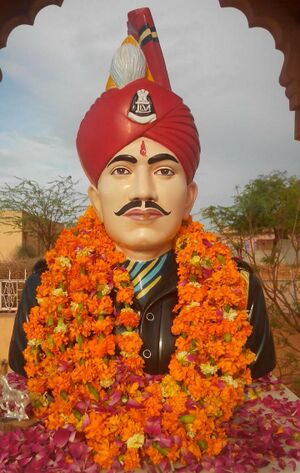
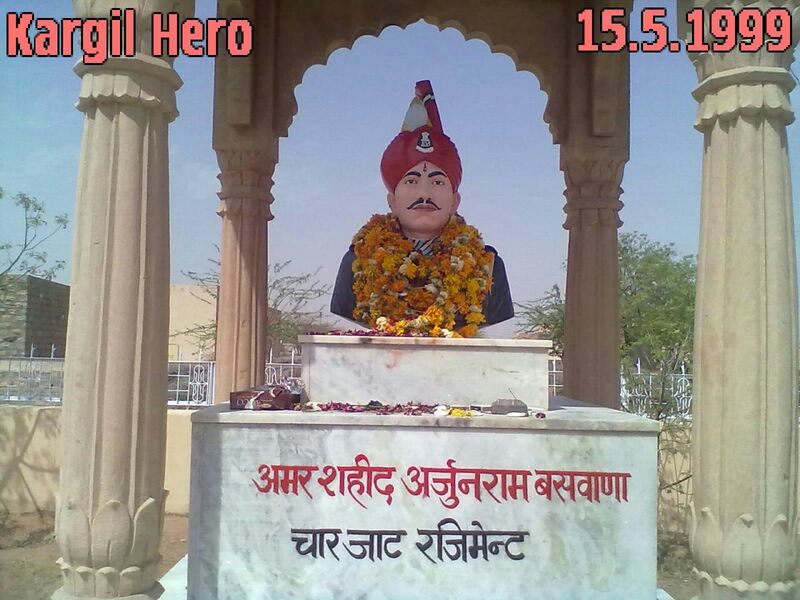
During 1999, Sep Arjun Ram Baswana was serving with the 4 Jat Battalion of the Jat Regiment, deployed in the remote Kaksar sector near Kargil. The sector overlooked the strategically vital National Highway 1D — the only arterial route linking Srinagar with Leh — making it highly significant for operational and logistical security. The region was characterised by rugged mountainous terrain, high altitude, and harsh weather conditions, which made deployment and patrolling extremely demanding for the troops. In early May 1999, inputs regarding suspicious enemy movement began to emerge from the Batalik–Yaldor sector, raising serious concerns about infiltration across the Line of Control. In response, Indian Army formations intensified surveillance and initiated aggressive area-domination patrols to verify the ground situation and detect any intrusion. With the gradual melting of winter snow, units were also tasked to check and, where feasible, reoccupy forward summer posts that were traditionally vacated during peak winter months. As part of this operational effort, several patrols were launched in the Kaksar–Langpa area during the first fortnight of May to reassess forward positions and confirm the presence or absence of infiltrators. On 15 May 1999, one such patrol was assigned to move towards Bajrang Post, an important defensive feature of the unit that usually remained unoccupied in winter.
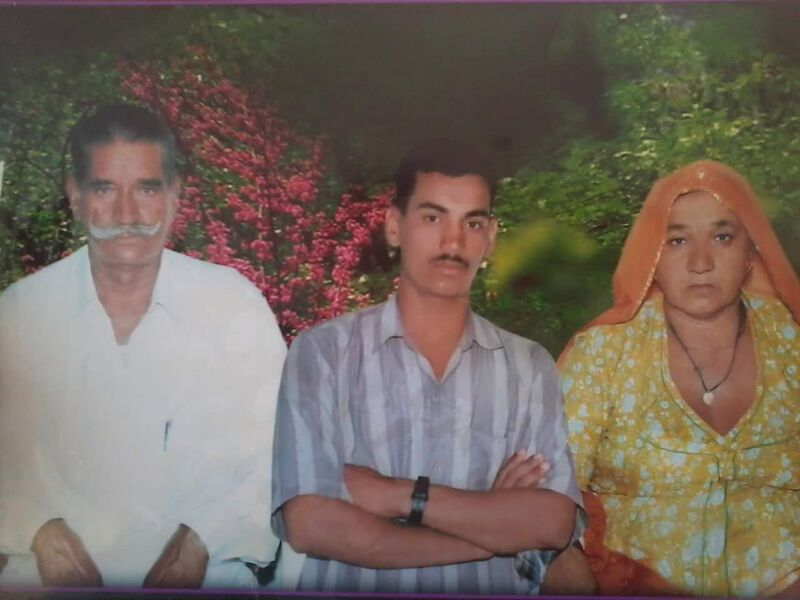
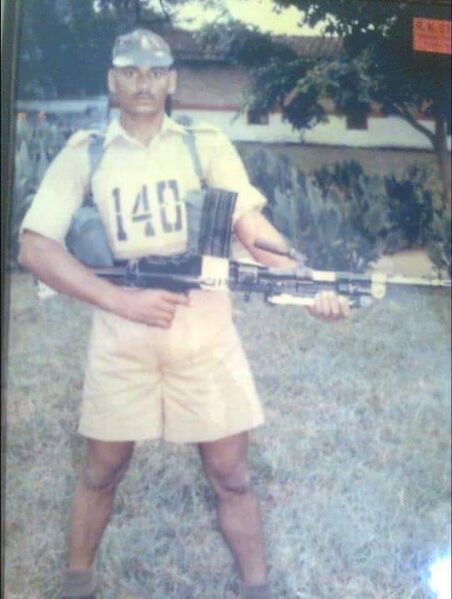
The patrol was led by Captain Saurabh Kalia and included Sepoy Arjun Ram Baswana along with Sepoy Banwari Lal Bagaria, Sepoy Bhikha Ram, Sepoy Mula Ram, and Sepoy Naresh Singh. The team moved out with clarity of purpose and professional resolve, unaware that the area had already been compromised by enemy forces. Soon after reaching the vicinity of Bajrang Post, the patrol came under heavy and sustained crossfire from Pakistani forces positioned across the Line of Control. Caught in a sudden and intense engagement, Sep Arjun Ram Baswana fought back with determination alongside his comrades. He remained actively engaged throughout the firefight, demonstrating courage, composure, and steadfast commitment to his duty and patrol team. The exchange of fire continued for a considerable duration, but as the situation prolonged, the patrol’s ammunition began to run critically low. Recognising the gravity of the situation, Captain Kalia informed the base camp and urgently requested reinforcements. However, before support could reach them, the patrol was surrounded by a larger contingent of Pakistani Rangers and was eventually overpowered and captured alive. Sep Arjun Ram Baswana stood firm with his fellow soldiers until all means of resistance were exhausted and was taken into enemy custody along with the rest of the patrol. When the patrol failed to return, Indian Army units immediately launched extensive search operations across the sector. Initial efforts yielded no contact. Shortly thereafter, Radio Skardu announced that Captain Kalia and his patrol had been captured, confirming enemy presence in the area. This revelation proved to be a critical turning point, leading to the discovery that large numbers of heavily armed intruders had occupied dominating heights well inside Indian territory, with fortified positions and established supply lines — developments that marked the formal unfolding of the Kargil conflict.
Sep Arjun Ram Baswana remained in captivity along with his patrol members from 15 May to 7 June 1999, enduring nearly twenty-two days of severe ordeal. When their mortal remains were returned on 9 June 1999, they bore clear signs of prolonged and brutal torture. Post-mortem findings confirmed multiple grievous injuries, establishing that the soldiers had been subjected to inhuman treatment in violation of accepted international norms governing prisoners of war. Sep Arjun Ram Baswana made the supreme sacrifice in the line of duty, upholding the honour of the uniform under the most extreme circumstances. Along with his officer and fellow soldiers, he displayed exceptional courage, endurance, and unwavering devotion to duty — his sacrifice remaining a solemn and enduring chapter in the history of the Kargil conflict.


Anushka
2023 at 9:35 amOne can’t even begin to understand how brave and fierce these guys were. What the pakis did will neither be forgiven nor forgotten. I wish that people in today’s time take these guys up as their idols and make India proud in any and every field they’re in.
Abhishek Gurjar
2025 at 8:12 amहमें गर्व है आप पे