

Service No : 4061833Y
Date of Birth : June 1, 1961
Place of birth : Tehri Garh(U khand)
Service : Army
Last Rank : Rifleman
Unit : 5 Garh Rif
Arm/Regt : The Garhwal Rifles
Operation : Op Pawan
Awards : Vir Chakra
Martyrdom : May 24, 1988
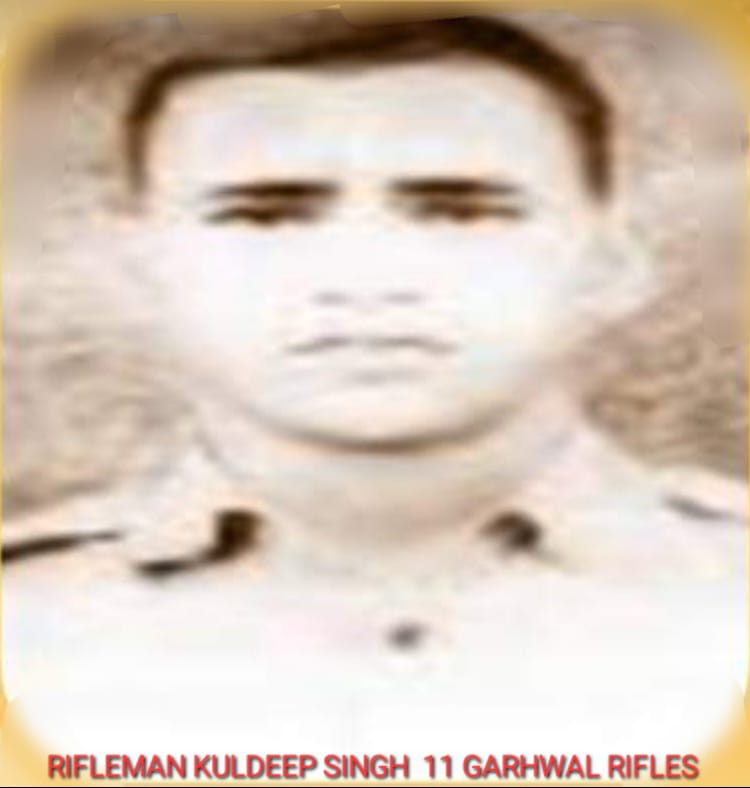
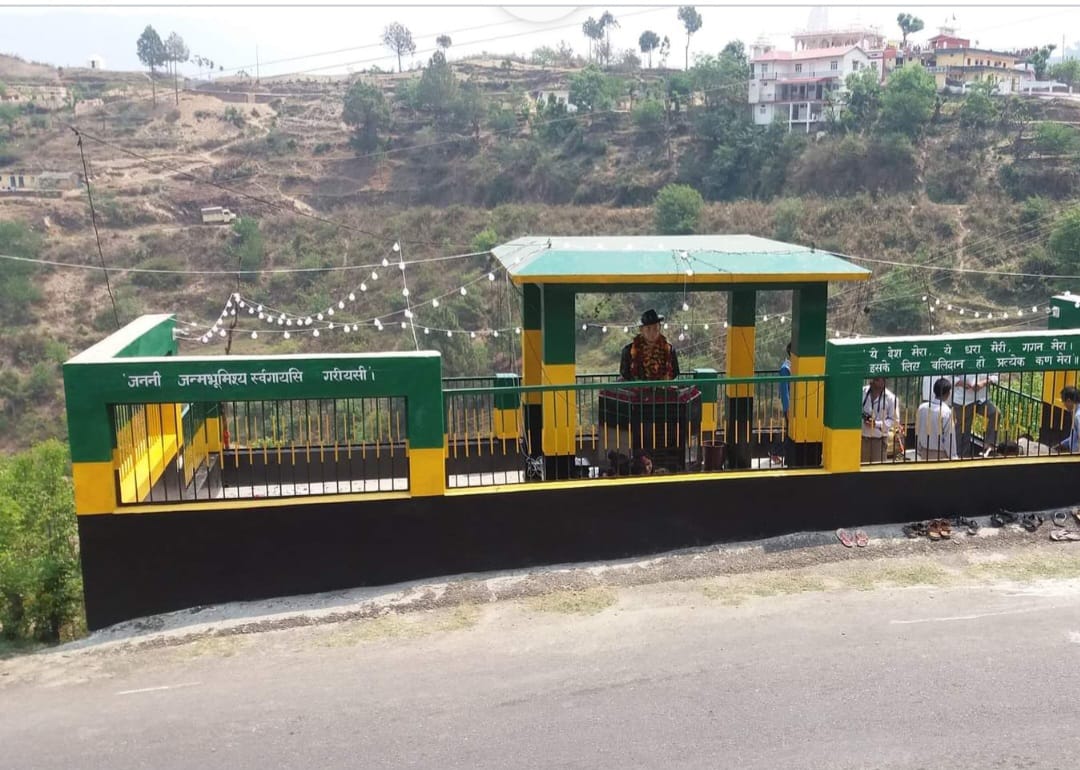
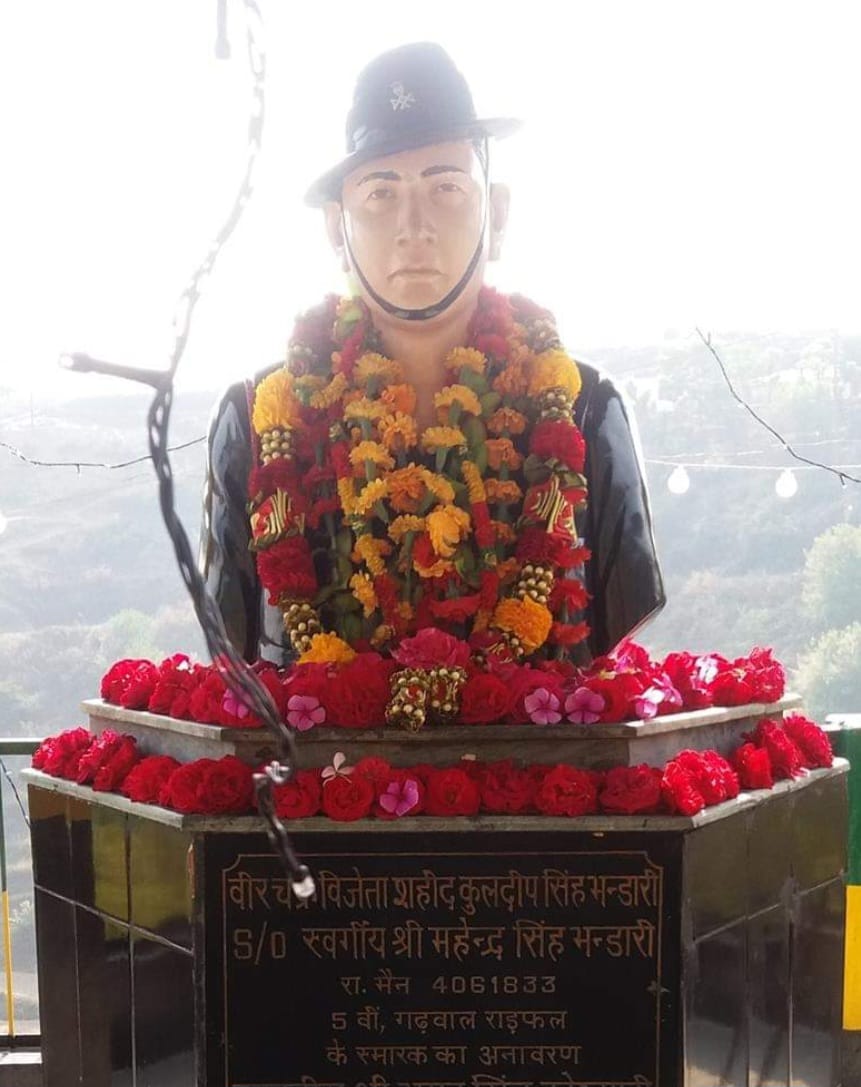
Rifleman Kuldip Singh Bhandari VrC
Rifleman Kuldip Singh Bhandari hailed from Aleru village in the Thauldhar block of Tehri Garhwal district in Uttarakhand. Born on 01 June 1961 to Shri Mahendra Singh Bhandari and Smt. Pingala Devi, he grew up in the hilly terrain that has long been known for producing brave and resilient soldiers. Inspired by a sense of duty and tradition, he joined the Indian Army in 1981 at the age of 20. He was inducted into the 5th Battalion of the Garhwal Rifles, one of the most distinguished and battle-hardened infantry regiments of the Indian Army, renowned for its valor and exemplary service record. Over the next several years, Rifleman Kuldip Singh matured into a disciplined and capable soldier. By 1988, with nearly seven years of service behind him, he had gained valuable operational experience across diverse and challenging terrains. His exposure to field conditions helped him develop strong field-craft skills, tactical awareness, and the ability to respond effectively to complex combat situations.
In 1988, his battalion was deployed to Sri Lanka as part of the Indian Peace Keeping Force (IPKF). This mission involved counter-insurgency operations under demanding and unfamiliar conditions. Serving in such an environment required not only physical endurance but also mental resilience and adaptability—qualities that Rifleman Kuldip Singh had steadily built over his years in service.
Sri Lankan Operations(Op Pawan): 24 May 1988
During May 1988, Rifleman Kuldip Singh Bhandari’s unit, 5 Garhwal Rifles, was deployed in Sri Lanka as part of the Indian Peace Keeping Force (IPKF), which had been inducted in 1987 following the Indo-Sri Lanka Accord. The accord mandated Indian forces to restore peace and disarm various militant groups that had destabilized the region. However, the Liberation Tigers of Tamil Eelam, known for its fierce guerrilla tactics, refused to surrender arms and launched attacks on the IPKF, leading to intense military engagements. In response, the IPKF initiated Operation Pawan, a large-scale offensive aimed at dismantling the operational capabilities of the LTTE, particularly in and around Jaffna. The objective was to break the command structure of the militants and render their resistance ineffective. Initially spearheaded by 54 Infantry Division, the operation soon escalated, necessitating the induction of additional formations, including the 3rd, 4th, and 57th Divisions. Despite sustained operations, by mid-1988, the conflict remained intense and far from resolved. Amidst this backdrop, 5 Garhwal Rifles was actively engaged in counter-insurgency operations under Op Pawan. On 23 May 1988, based on intelligence inputs regarding a militant hideout in the jungles south of Alampil in Northern Sri Lanka, a search-and-destroy mission was launched. Troops of 11 Garhwal Rifles initially undertook the operation but suffered casualties due to heavy militant resistance. Consequently, reinforcements from 5 Garhwal Rifles were dispatched, and Rifleman Kuldip Singh was among those tasked to join the mission.
Serving as Light Machine Gun (LMG) Gunner No. 1, Rifleman Kuldip Singh advanced with his section into the dense jungle terrain to locate and neutralize the militants. As the team closed in on the suspected hideout, they came under intense and sustained enemy fire. In the initial exchange, the LMG Gunner No. 2 was fatally wounded. Undeterred, Rifleman Kuldip Singh took full charge of the weapon and continued to engage the militants, maintaining suppressive fire for a prolonged duration under extremely hazardous conditions. During the fierce firefight, several of his comrades were injured and lay exposed to enemy fire. Displaying exceptional courage and presence of mind, Rifleman Kuldip Singh, despite the heavy volume of fire, carried one wounded comrade on his back and assisted another to safety, evacuating them to the Platoon Headquarters. Having ensured their evacuation, he voluntarily returned to the combat zone, fully aware of the risks involved. On rejoining the fight, he observed intensified enemy fire emanating from his right flank. Reacting swiftly, he repositioned himself and resumed engaging the militants with determination. His relentless and conspicuous action drew enemy attention, making him a clear target. In the ensuing exchange, he was hit by a burst of enemy fire that struck his head. Rifleman Kuldip Singh succumbed to his injuries, attaining martyrdom in the line of duty at the young age of 27 years. For his extraordinary bravery, indomitable fighting spirit, and supreme sacrifice in the face of the enemy, Rifleman Kuldip Singh Bhandari was posthumously awarded the "Vir Chakra". His actions remain a shining example of courage, selflessness, and unwavering devotion to duty in the finest traditions of the Indian Army.
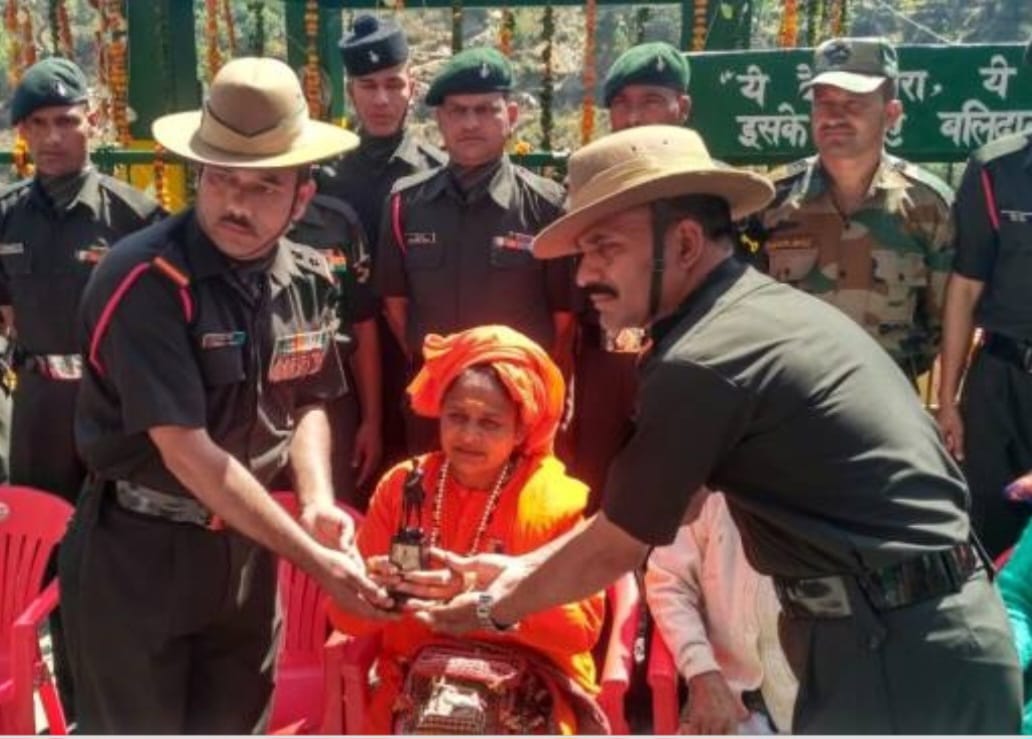
Rfn Kuldip Singh Bhandari is survived by his mother Smt Pingala Devi.
No Comments